Best Europe Festivals June 2026: A Festival Travel Guide
Midnight sun maypoles in Sweden, Edwardian-dressed Joyce pilgrims in Dublin, bonfire-jumping on Spanish beaches — eight authentic European festivals worth planning around in June 2026.
From harvest celebrations in Borneo longhouses to ghost mask parades in rural Thailand, June offers Asia's most authentic festival experiences. Here are seven worth traveling for.
Europe in June 2026 is a tapestry of tradition and celebration. As midnight sun illuminates flower-crowned maypoles across Scandinavia, as Dubliners don Edwardian garb to retrace Joyce's footsteps through their city, as Spanish beachgoers leap over bonfires beneath a solstice moon — these centuries-old rituals reveal Europe's cultural DNA in its most vivid expression.
From the Baltic's white nights to Mediterranean midsummer madness, from serious documentary screenings to nationwide musical revelry, June offers travelers eight unmissable cultural experiences. These aren't commercial festivals packaged for tourists, but authentic celebrations rooted in local tradition — moments when you witness how communities mark time through ritual, how collective memory defines identity.
1. Swedish Midsummer (Midsommar) — Sweden
June 19-20, 2026
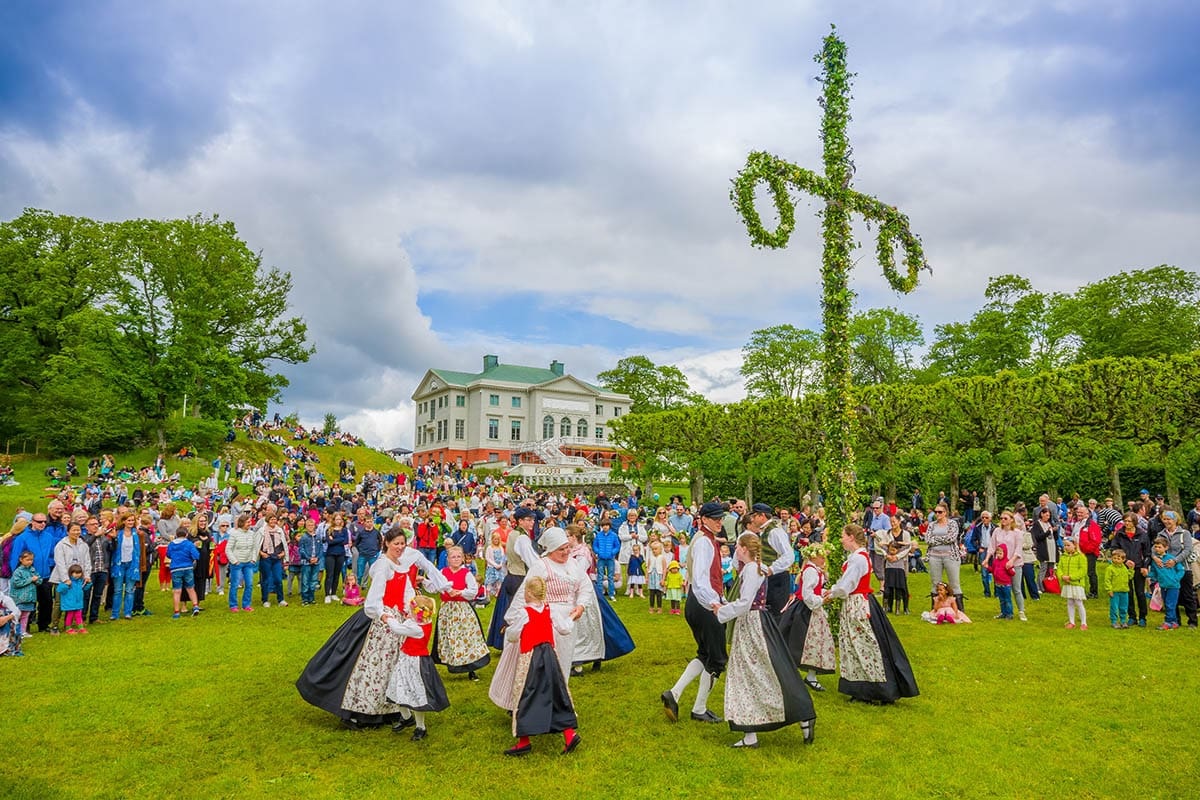
For Swedes, Midsummer ranks second only to Christmas in cultural importance. Each year on the third weekend of June, when Nordic skies barely darken, the entire nation migrates to the countryside to dance around flower-bedecked maypoles (midsommarstång). Midsummer Eve falls on Friday, June 19, with Midsummer Day on Saturday, June 20. The festival traces back to pre-Christian solstice celebrations, later merged with the Christian feast of St. John the Baptist.
This is participatory celebration at its finest. At Stockholm's Skansen open-air museum, costumed performers erect massive flower-adorned poles before everyone — toddlers to grandparents — joins hands to dance "Små grodorna" (Little Frogs), complete with frog-hopping motions. In the Dalarna region, Leksand's church boat races and Rättvik's folk music performances retain the most authentic traditions. The feast is equally essential: pickled herring, new potatoes with dill, strawberry cake, and ice-cold snaps shots — each accompanied by drinking songs (snapsvisor) growing increasingly boisterous.
The 4-Day Plan
Day 1: Stockholm city. Morning at the Vasa Museum to see the salvaged 17th-century warship. Afternoon strolling Gamla Stan's cobblestone alleys, including Mårten Trotzigs Gränd, Stockholm's narrowest street. Evening ascent of City Hall tower for sunset views — though sunset on Midsummer barely happens, the golden light lingers for hours.
Day 2: Skansen Midsummer. Full day at Skansen open-air museum. Watch morning decoration of the maypole with birch branches and wildflowers. The pole raising occurs around 1 PM, followed by traditional dancing. Stay through evening for music performances and outdoor picnics under perpetual daylight.
Day 3: Archipelago day trip. Ferry to Stockholm Archipelago islands — Grinda or Sandhamn both host traditional celebrations. Gather wildflowers for wreaths (midsommarkrans), participate in local maypole dancing, evening seafood buffet by the water.
Day 4: Dalarna traditions. Three-hour drive from Stockholm to Leksand. Witness the famous church boats (Kyrkbåtar) race — colorful longboats once used to transport parishioners. Afternoon in Tällberg village for folk performances, visit Dala horse (Dalahästar) workshops.
Getting There
Arrive Stockholm via Arlanda Airport (ARN), 40km from the center; the Arlanda Express train reaches Central Station in 20 minutes. The SL card covers metro, buses, ferries, and commuter trains. To Dalarna, take the train from Stockholm Central to Mora (4 hours) or rent a car via the E18 highway. Book accommodation and transport 3-6 months ahead — from June 19 afternoon, cities empty as Swedes head to the countryside and most shops close.
2. White Nights Festival — St. Petersburg
June 12 – July 2, 2026
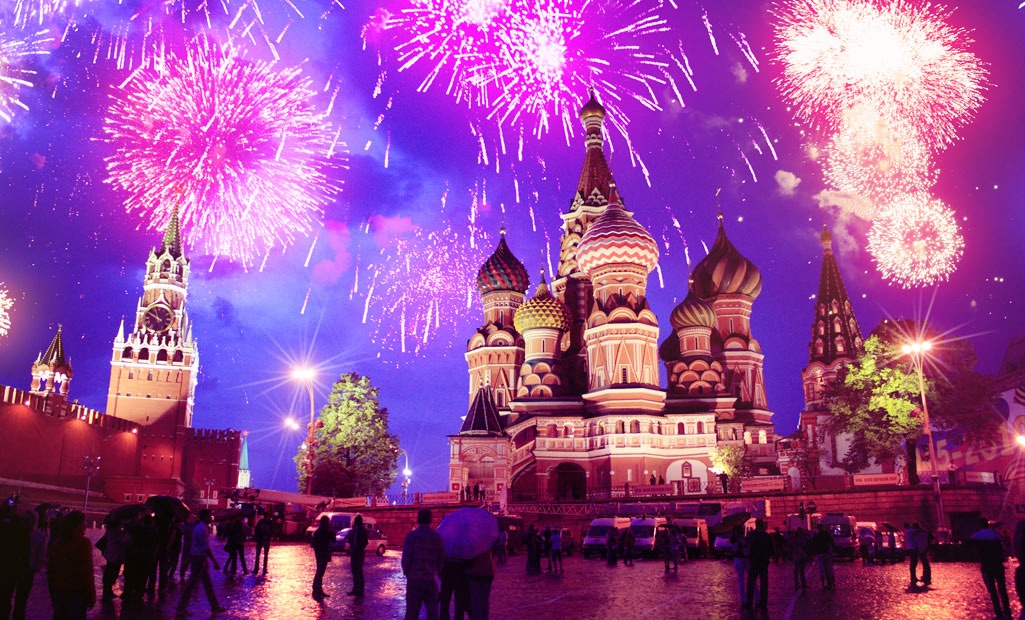
When Earth's axis tilts toward the sun, St. Petersburg — positioned at 60°N latitude — enters its most magical period: the White Nights (Belye Nochi). From late May through mid-July, the sun barely dips below the horizon, bathing the city in dreamlike twilight. Since 1993, St. Petersburg has celebrated with an arts festival combining classical ballet, opera, symphony concerts, and spectacular fireworks. The festival's soul is the Mariinsky Theatre's "Stars of the White Nights" classical music series, plus the city-wide "Scarlet Sails" spectacle.
Cruising the Neva River at midnight, watching the Palace Bridge lift against a sky that never darkens — it's almost surreal. Between 1-5 AM nightly, St. Petersburg's bridges raise sequentially, while crowds line embankments and boats fill the river against the Winter Palace backdrop. Scarlet Sails typically occurs on a late-June weekend — a massive celebration featuring a tall ship with crimson sails, fireworks, and laser projections transforming the river into an enormous stage, with 800,000 to 1 million people packing the embankments.
The 4-Day Plan
Day 1: Classical arts. Morning at the Hermitage Museum, focusing on Rembrandt, Leonardo, and Raphael collections. Afternoon along Nevsky Prospekt to Kazan Cathedral, then Church of the Savior on Spilled Blood. Evening ballet or opera at Mariinsky or Mikhailovsky Theatre (book months ahead).
Day 2: Imperial palaces and White Nights cruise. Full day at Peterhof Palace via hydrofoil (40 minutes). Explore the Grand Palace and Lower Gardens' fountain system. Evening return, then 10 PM boarding for a Neva River cruise until 2 AM to watch bridge openings.
Day 3: Culture and history. Morning at Peter and Paul Fortress, St. Petersburg's oldest structure and final resting place of Russian tsars. Afternoon at St. Isaac's Cathedral, ascending the colonnade for city views. Evening free outdoor concert at Palace Square.
Day 4: Scarlet Sails or embankment stroll. If Scarlet Sails coincides, build your day around it — arrive by 5 PM to secure embankment position (Palace Embankment or Vasilyevsky Island recommended). Otherwise, visit Catherine Palace and the Amber Room.
Getting There
Arrive via Pulkovo Airport (LED), 15km from the center; bus 39 or Yandex taxi (~700 rubles). The metro is efficient and ornately decorated — 60 rubles per ride. Bring an eye mask: 24-hour daylight penetrates most hotel curtains. June averages 18-22°C but nights drop to 10°C — pack a light jacket.
3. Fête de la Musique — France
June 21, 2026 (Sunday)
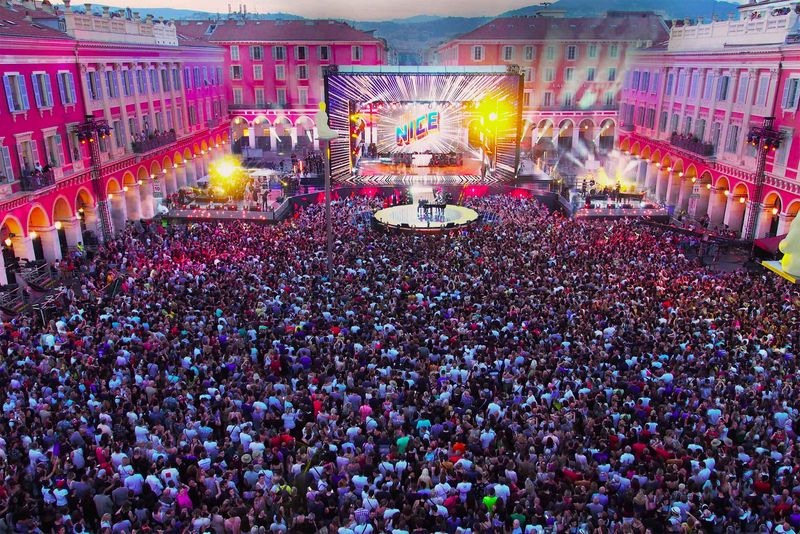
Each summer solstice, France transforms into an enormous open-air concert hall. In 1982, Minister of Culture Jack Lang launched this celebration with a simple, radical concept: all concerts free, all performers donate their time. From morning onward, streets, parks, churches, and museums resonate with music. From classical string quartets to rap battles, African drum circles to electronic sets, all genres coexist equally.
In Paris, the Champs-Élysées becomes a DJ stage, the Louvre pyramid hosts symphony orchestras, and Seine banks fill with street musicians. On Sacré-Cœur's steps, Arabic music, flamenco guitar, and French chanson weave into a multicultural symphony. This isn't about watching music — it's participating. In Lyon, Fourvière's ancient Roman theater hosts free world music concerts. In Marseille, the Old Port fills with stages, Mediterranean breezes carrying reggae, hip-hop, and Provençal folk songs.
The 4-Day Plan
Day 1: Paris center music exploration. Daytime sights: Louvre, Musée d'Orsay, Notre-Dame exterior. From 4 PM, street music intensifies. Stroll Le Marais where jazz and indie rock concentrate. 7 PM at the Louvre for classical concert beneath the pyramid.
Day 2: Montmartre and Seine music night. Morning climb to Sacré-Cœur for Paris panorama. Afternoon wandering Montmartre. Evening walk along the Left Bank from Fontaine Saint-Michel to the Eiffel Tower. After 10 PM, Latin Quarter street parties peak.
Day 3: Versailles and parks. Daytime Versailles Palace (pre-book tickets). Evening return to Paris for outdoor concerts set up specifically for Music Day — usually DJs, children's activities, and food stalls.
Day 4: Lyon or Bordeaux music journey. If time permits, TGV high-speed train to Lyon (2 hours) or Bordeaux (2 hours). Lyon's Fourvière theatre hosts major free concerts. Bordeaux's Quinconces square erects massive stages.
Getting There
Arrive Paris via Charles de Gaulle (CDG) RER B line direct to the center (~40 min, €11.45) or Orly (ORY). In Paris, buy a Navigo weekly pass or Carnet 10-ticket bundle (€18.8). For other cities, SNCF runs TGVs: Paris-Lyon 2 hours from €25, Paris-Bordeaux 2.5 hours from €35.
4. Bloomsday — Dublin, Ireland
June 11-16, 2026 (festival week); June 16 (core day)
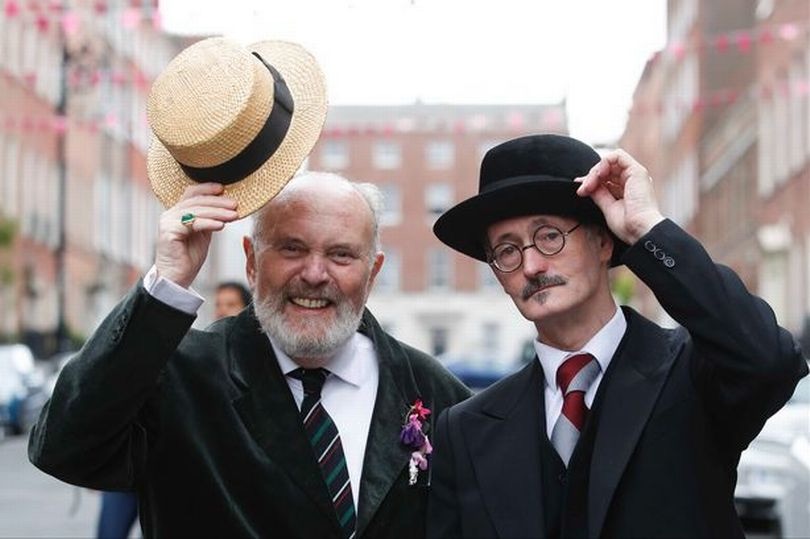
On June 16, 1904, Irish writer James Joyce had his first date with Nora Barnacle, who would become his wife. Eighteen years later, Joyce immortalized this day in his masterpiece Ulysses, setting the entire novel within those 24 hours following protagonist Leopold Bloom through Dublin. Since 1954, Dublin has celebrated "Bloomsday." The 2026 festival runs June 11-16, with Tuesday, June 16 as the climax — literary enthusiasts in Edwardian costumes pilgrimage along the novel's route, reading passages at the James Joyce Centre, lunching on gorgonzola sandwiches at Davy Byrne's pub, and reenacting scenes on Sandymount Strand.
This is literary pilgrimage meets carnival. You don't need to have finished Ulysses's 265,000 words — just bring curiosity. 8 AM at Sandycove's Martello Tower, costumed actors recite the opening lines. The procession then moves through Glasnevin Cemetery, Eccles Street, O'Connell Street, and the National Library. Afternoon, Davy Byrne's pub fills with pilgrims raising glasses while reciting Joycean stream-of-consciousness. At St. Stephen's Green and Merrion Square, Joyce societies organize open-air reading marathons.
The 4-Day Plan
Day 1: Dublin literary landmarks. Morning at Trinity College and the Long Room Library viewing the Book of Kells. Walk to Merrion Square. Afternoon Dublin Writers Museum exploring Yeats, Wilde, Beckett, Shaw. Evening Abbey Theatre for Irish drama.
Day 2: Bloomsday preview. Sandycove's James Joyce Tower and Museum. Afternoon return to Temple Bar cultural quarter, evening at The Brazen Head (Ireland's oldest pub, established 1198) for Guinness and Irish stew.
Day 3: Core Bloomsday (June 16). 8 AM Martello Tower opening recitation (Edwardian dress recommended; rent or buy from Temple Bar). 10 AM join pilgrimages: Glasnevin Cemetery → 7 Eccles St → National Library → O'Connell Street. 12:30 PM Davy Byrne's for gorgonzola sandwich and burgundy (~€18). 3 PM Merrion Square open reading. 5 PM Sandymount Strand. 7 PM Joyce Centre dinner.
Day 4: Dublin environs. Explore Howth fishing village (where Molly Bloom recalls Bloom's proposal in Ulysses), hike Howth Cliff Walk, fresh seafood. Or visit Kilmainham Gaol for Irish independence history.
Getting There
Dublin Airport (DUB) is 10km from the center; Airlink 747 bus direct to the center (€8, ~30 min). Dublin is compact and best explored on foot. The Leap Visitor Card (€19.50/3 days) covers unlimited bus, DART, and Luas tram. To Sandycove, take DART southbound to Sandycove and Glasthule station (~25 min, €3.3).
5. Festa de Santo António — Lisbon, Portugal
Throughout June 2026 (peak June 12-13)
Santo António is Lisbon's patron saint — the 13th-century Franciscan friar revered as patron of marriages and lost items. Each June, the city celebrates with month-long Festas de Lisboa, peaking June 12-13. June 12 evening, Avenida da Liberdade hosts Marchas Populares — neighborhood groups in elaborate costumes compete in song and dance. After midnight, the city erupts: grilled sardine smoke fills alleys, Pimba music blares, people exchange basil pots with flirty poems. June 13 is Santo António's official day and a Lisbon public holiday, with an afternoon religious procession and street parties continuing unabated.
This isn't tourist-packaged culture but Lisbon celebrating for itself. In Bairro Alto, Alfama, and Mouraria, neighborhood-organized street parties take over entire streets. Long tables overflow with grilled meats, green soup, grilled sardines, and green wine. DJ stages boom, colored lights string narrow lanes, three generations dance together. Tradition dictates boys give girls basil plants to express affection. June 12 morning, City Hall hosts mass weddings — 16 couples marry simultaneously at Sé Cathedral, symbolizing Santo António's blessing as marriage patron.
The 4-Day Plan
Day 1: Lisbon classic landmarks. Morning Belém district: Belém Tower, Jerónimos Monastery, Monument to Discoveries. Noon at Pastéis de Belém for authentic custard tarts. Afternoon tram 28 through old town, Graça or Portas do Sol viewpoint.
Day 2: Alfama maze and fado night. Full day exploring Alfama. Visit Sé Cathedral, Santo António Church, National Tile Museum. Evening fado dinner at Clube de Fado or Mesa de Frades.
Day 3: Marchas parade and street parties (June 12). Daytime rest. From 5 PM, streets fill with grills and speakers. 7 PM stake out Avenida da Liberdade (parade starts ~9 PM, lasts 3-4 hours). After parade, Graça's Largo da Graça or Alfama street parties until dawn.
Day 4: Santo António Day and religious procession (June 13). Sleep in until noon. ~2 PM head to Sé Cathedral for the procession (usually 3-5 PM). Evening rejoin Bairro Alto or Bica street parties.
Getting There
Arrive Humberto Delgado Airport (LIS), 7km from the center; red metro line direct (€1.65, ~20 min). Buy a Viva Viagem card (€0.5), load 24hr ticket (€6.8) for unlimited metro, bus, tram, and funicular. During Santo António, Alfama and Graça restaurants are packed or closed (owners are at street parties) — bring small bills in cash.
6. Hogueras de San Juan — Spain
June 23-24, 2026
San Juan is Spain's most magical midsummer night. On the evening of June 23, just past the summer solstice, Spanish beaches ignite with bonfires. People jump flames, leap into midnight seas, cast wish-written papers into fires — pagan and Christian rituals merged to welcome summer, purify souls, invoke good fortune. June 23, 2026 (Tuesday) is St. John's Eve — the celebration's peak. June 24 (Wednesday) is a public holiday for recovery.
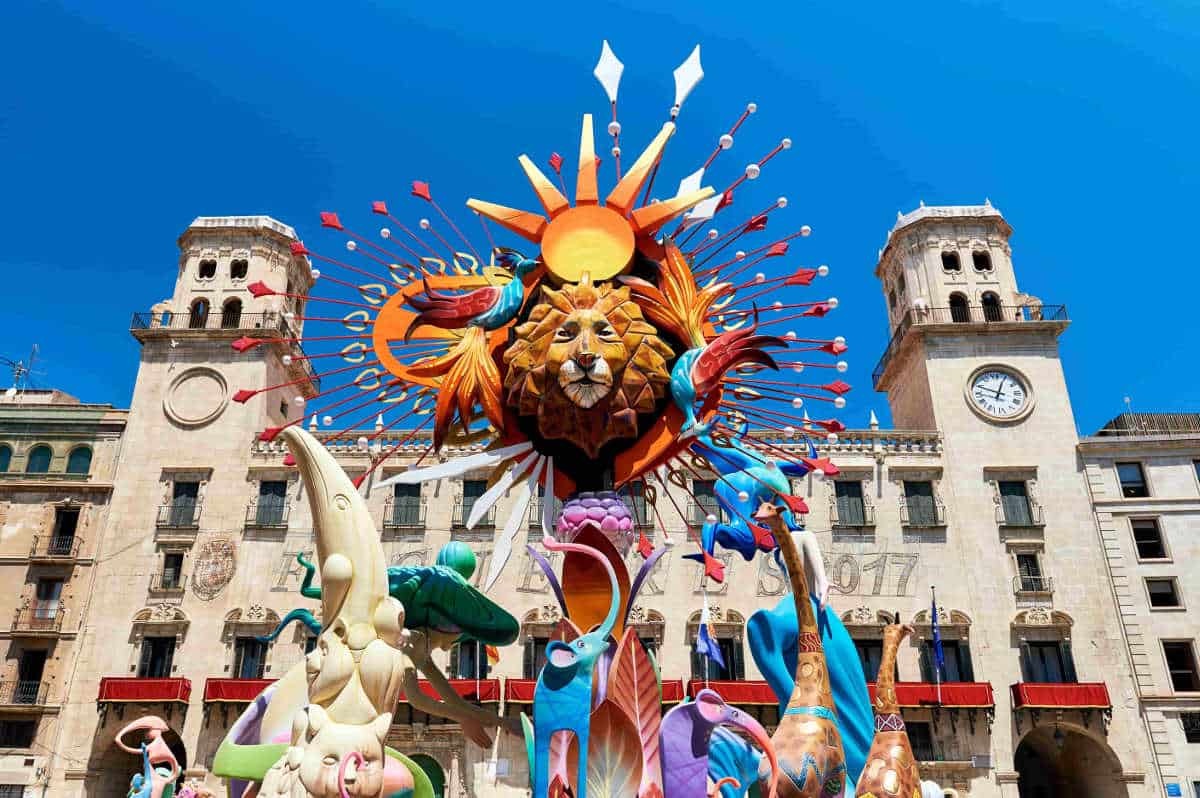
In Barcelona, Barceloneta beach transforms into a sea of fire. Hundreds of bonfires ignite, smoke and sparks and fireworks weaving surreal scenes. Catalan tradition passes sacred flame from Canigó mountain. Fire-jumping is the core ritual — traditionally jump three times, symbolizing purification, evil expulsion, and sun strengthening. At midnight, tens of thousands rush into the waves. In Alicante, San Juan reaches monumental scale. From June 20, giant ninots (12-meter papier-mâché sculptures) occupy the city. June 24 midnight, La Cremà burning ceremony begins: all ninots ignite, flames skyward.
The 4-Day Plan (Barcelona example)
Day 1: Gaudí pilgrimage. Morning Sagrada Família (pre-book tickets). Afternoon Passeig de Gràcia modernist architecture: Casa Batlló and La Pedrera. Evening Gothic Quarter (Barri Gòtic) and Barcelona Cathedral. Dinner tapas in Born district.
Day 2: Montjuïc and beach. Morning cable car up Montjuïc, MNAC museum, Olympic Ring. Afternoon Barceloneta beach to scout San Juan night venue, seafood paella lunch.
Day 3: San Juan Eve (June 23). Daytime light touring. From 3 PM prepare: supermarket food, drinks, legal small fireworks (€10-30). 7 PM occupy Barceloneta beach position. After 9 PM bonfires gradually ignite. Jump fire before midnight (at least three times). Midnight rush into waves.
Day 4: Recovery and culture. Sleep in (June 24 is a holiday). Afternoon Park Güell. Evening Gràcia neighborhood squares for dinner.
Getting There
Arrive Barcelona via El Prat Airport (BCN), 12km from the center; Aerobus A1/A2 to center (€5.9, ~35 min). Buy a T-Casual ticket (€12.15/10 trips). Wear closed-toe shoes near bonfires. Active pickpockets on San Juan night — stay in groups, leave valuables at the hotel.
7. Krakow Film Festival — Krakow, Poland
May 31 – June 7, 2026 (cinema screenings); June 5-19 (online VOD)
Founded in 1961, Krakow Film Festival is Poland's oldest and one of Europe's longest-running festivals dedicated to documentary and short films. This festival is Oscar®, European Film Award, and BAFTA-qualifying — winning films here automatically gain nomination eligibility for these top prizes. The 66th edition runs across Krakow cinemas, with parallel online screening via KFF VOD. Four core competition sections: International Documentary Feature, International Short Film, Polish Competition, and DocFilmMusic.
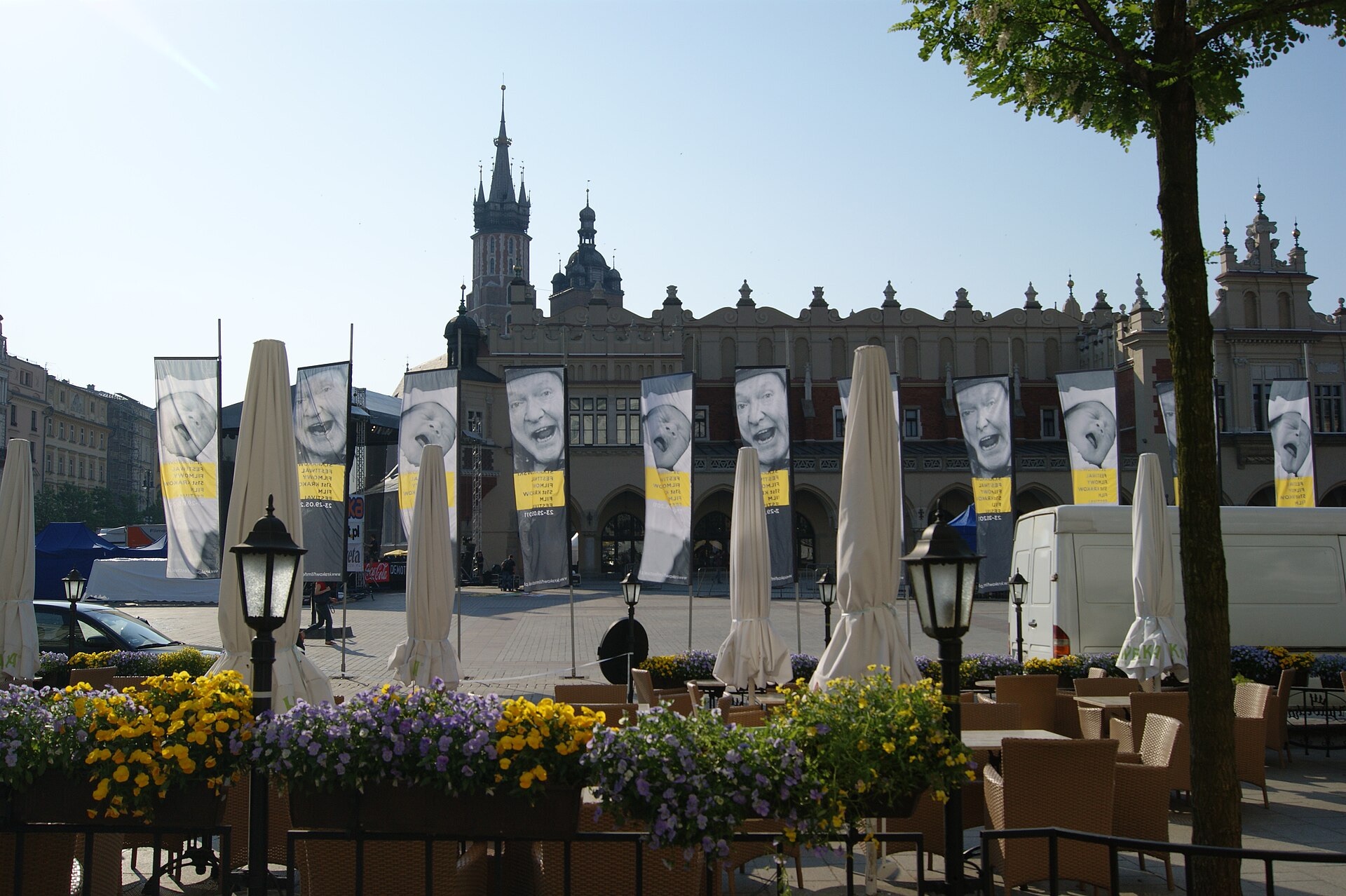
Krakow Film Festival isn't red-carpet celebrity spectacle but a genuine gathering for documentary and independent filmmakers, critics, scholars, and true cinema lovers. You'll see just-completed documentaries exploring AI's challenge to image authenticity, documenting survival amid conflict, or poetically capturing life's fragility. Post-screening Q&As with directors offer intimate access impossible at major commercial festivals. CEDOC Market (June 3-5) attracts global documentary producers and distributors. Krakow itself is cinematic: medieval Main Market Square, Wawel Castle, and the Kazimierz Jewish Quarter provide perfect historical backdrop.
The 4-Day Plan
Day 1: Krakow Old Town and festival registration. Morning Main Market Square, St. Mary's Basilica, Cloth Hall. Lunch traditional pierogi. Afternoon festival office (ul. Basztowa 15/8) for passes or single tickets. Evening opening ceremony at Kino Kijów.
Day 2: Documentary marathon. Pre-plan daily screenings, select 3-4 works. International Documentary Feature Competition typically highest quality. Between screenings, wander Kazimierz. Evening Vistula Cruise Party riverboat networking.
Day 3: Industry activities and city exploration. Morning CEDOC Market project pitching if interested. Noon Wawel Castle visit. Afternoon short film or animation sections. Evening at Alchemia or Singer café in Kazimierz.
Day 4: Master class and closing. Morning master class or retrospective films. Afternoon Schindler's Factory Museum for WWII Jewish history. Evening awards ceremony.
Getting There
John Paul II Airport (KRK) is 15km from the old town; bus 208/252 to Kraków Główny main station (40 min, €1.2), or airport bus direct to the old town (€5). The old town is walkable. Pass types: Insider Pass all-access (€100); single tickets €5-8; student/senior half-price. Stay in Kazimierz district — near main cinemas and vibrant nightlife.
8. Helsinki Day — Finland
June 12, 2026 (Friday)
Helsinki Day celebrates Finland's capital founding. On June 12, 1550, Swedish King Gustav Vasa decreed Helsinki's establishment. The first Helsinki Day celebration occurred in 1959, expanding by the 1960s to a full Helsinki Week. In 2026, this marks the city's 476th anniversary. Traditional events include the free Kaivopuisto Park outdoor concert, "Mr. and Ms. Helsinki" selection, City Hall ceremonies, plus citywide street performances, markets, and workshops.
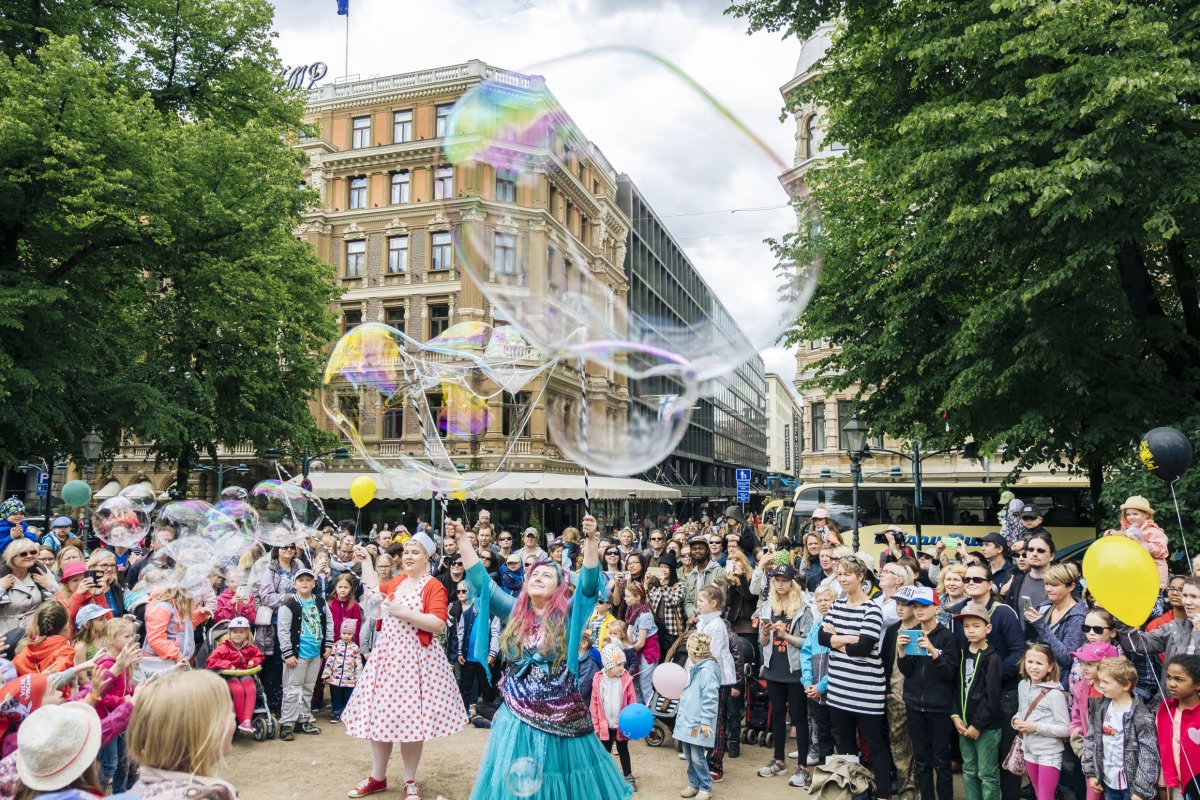
Helsinki Day perfectly demonstrates Finnish celebration style: understated, elegant, filled with civic pride, yet warm and humorous. Kaivopuisto Park's outdoor concert is the highlight — noon to evening, classical orchestras, folk singers, and jazz bands rotate. People spread picnic blankets with sandwiches, coffee, and blueberry pie. Citywide dozens of free events: Design District gallery openings, Helsinki Cathedral organ concerts, library workshops, children's theater, street magic.
The 4-Day Plan
Day 1: Helsinki design and architecture. Morning Temppeliaukio Church (Rock Church) — carved into stone with superb acoustics. Walk to Design Museum, then browse Design District — Marimekko, Iittala, Artek flagship stores. Afternoon Helsinki Central Library Oodi. Evening Ravintola Savotta for traditional Finnish cuisine.
Day 2: Harbor and Suomenlinna fortress. Morning Market Square (Kauppatori) for fish soup and cinnamon rolls. Ferry to Suomenlinna fortress island (UNESCO World Heritage). Evening stroll Esplanadi park.
Day 3: Helsinki Day celebration (June 12). Morning attend City Hall official ceremony. Noon stake out Kaivopuisto Park picnic spot, bring sandwiches, fruit, and coffee. Afternoon enjoy free concert, typically noon to 6 PM. Evening seaside promenade walk to Eira district. Night experience Helsinki's alternative culture in Kallio district.
Day 4: Helsinki environs or sauna experience. Option A: Visit Porvoo, Finland's second-oldest city, 50km from Helsinki. Option B: Deep sauna experience at Kotiharjun Sauna, Kulttuurisauna, or Löyly.
Getting There
Vantaa Airport (HEL) is 18km from the center; Ring Rail train I/P lines to Central Station (~30 min, €4.1). Buy HSL Day Ticket (€9/day) — covers metro, tram, bus, and ferry. To Suomenlinna, take the ferry from Market Square using your HSL ticket (15-min journey, every 20-40 minutes).
How to chain festivals across Europe
If your June schedule is flexible, consider chaining multiple festivals into one trip:
Nordic Route: Helsinki Day (June 12) → St. Petersburg White Nights (June 12 – July 2) → Swedish Midsummer (June 19-20)
Western Cultural Route: Dublin Bloomsday (June 16) → France Fête de la Musique (June 21) → Spain San Juan (June 23-24)
Southern Revelry Route: Krakow Film Festival (May 31 – June 7) → Lisbon Santo António (June 12-13) → Barcelona San Juan (June 23-24)
For Swedish Midsummer, Santo António, and San Juan, book accommodation and transport 3-6 months ahead — popular city hotels double prices or sell out. France's Fête de la Musique and Helsinki Day allow more spontaneous attendance.
Whichever route you choose, Europe in June 2026 reveals its cultural heritage in the most vivid expression possible — moments when you witness how communities mark time through ritual, how collective memory binds them, how they find celebration modes balancing tradition and modernity.
Share
Frequently asked questions
What are the best festivals in Europe in June 2026?+
Eight major festivals stand out across Europe in June 2026: Swedish Midsummer (June 19-20), St. Petersburg White Nights (June 12 – July 2), Fête de la Musique in France (June 21), Dublin Bloomsday (June 11-16, with the core day on June 16), Festa de Santo António in Lisbon (peak June 12-13), Hogueras de San Juan across Spain (June 23-24), Krakow Film Festival (May 31 – June 7), and Helsinki Day (June 12).
When is Swedish Midsummer 2026?+
Midsummer Eve falls on Friday, June 19, 2026, with Midsummer Day on Saturday, June 20. Most Swedes head to the countryside, and major cities largely shut down from Friday afternoon through the weekend.
What is Bloomsday in Dublin?+
Bloomsday celebrates James Joyce's Ulysses, set on June 16, 1904 — the day of Joyce's first date with Nora Barnacle. Each year on June 16, Dubliners and visitors don Edwardian costumes and retrace the novel's route across the city, with readings, performances, and themed pub stops. The 2026 festival week runs June 11-16, peaking on June 16.
Can I chain multiple European festivals in one trip in June 2026?+
Yes. Three popular chains: Nordic Route — Helsinki Day (June 12) → St. Petersburg White Nights (June 12 – July 2) → Swedish Midsummer (June 19-20). Western Cultural Route — Dublin Bloomsday (June 16) → France Fête de la Musique (June 21) → Spain San Juan (June 23-24). Southern Revelry Route — Krakow Film Festival (May 31 – June 7) → Lisbon Santo António (June 12-13) → Barcelona San Juan (June 23-24).
Do I need to book accommodation in advance for these festivals?+
For Swedish Midsummer, Festa de Santo António, and Hogueras de San Juan, book 3-6 months ahead — popular city hotels double their prices or sell out. France's Fête de la Musique and Helsinki Day are more spontaneous and don't require the same lead time.
Start a trip Fortrip can actually defend.
Sketch a brief. We come back with an itinerary that reads like a recommendation, not a checklist — and tell you what we’d change about it.