Best Places to Scuba Dive in June 2026: Africa and Oceania Guide
June 2026 is one of the most event-driven diving windows of the year: this Africa-and-Oceania guide maps six destinations where rare marine phenomena align in a narrow seasonal window, from South Africa’s sardine run and Fakarava’s grouper spawning to Great Barrier Reef minke encounters.
June is winter in the southern hemisphere, and the ocean knows it. Cold fronts push billions of sardines up the South African coast, triggering a predator event so dense it stops traffic on land and empties dive boats of experienced divers who've been waiting a year. In French Polynesia, a full moon draws twenty thousand marbled groupers to a single pass — and the sharks follow. On Australia's Great Barrier Reef, the only place on the planet where you can legally swim with dwarf minke whales opens its two-month window. In Mozambique, the first humpback whales of the season arrive from Antarctica. These things happen in June and not reliably at any other time. That is the entire argument for this list.
01 · THE SARDINE RUN South Africa · KwaZulu-Natal Wild Coast Nature's Greatest Ocean Spectacle Snorkeling · Scuba Diving · Freediving
Share
Start a trip Fortrip can actually defend.
Sketch a brief. We come back with an itinerary that reads like a recommendation, not a checklist — and tell you what we’d change about it.
Every AI travel app claims it can "plan your perfect trip." Most only do the easy part — turning a prompt into an itinerary. We compared 6 tools across brainstorming, booking, organizing, and the part most of them skip: checking whether the plan is actually good.
Three days, two nights, $230 total including flights, hotel, food, and entry fees — and it felt more restorative than a night at a beach resort. A full Sukhothai guide covering ancient ruins with zero crowds, sunrise at a hilltop Buddha, and exactly how to get there.
Water Temp: 15–24°C Visibility: 5–20m (variable by conditions and plankton density) Depth: Surface to 15m Peak Window: Mid-June to end of July Access: Rigid inflatable boats from Port St Johns Skill Level: Open Water minimum; strong open-water confidence required
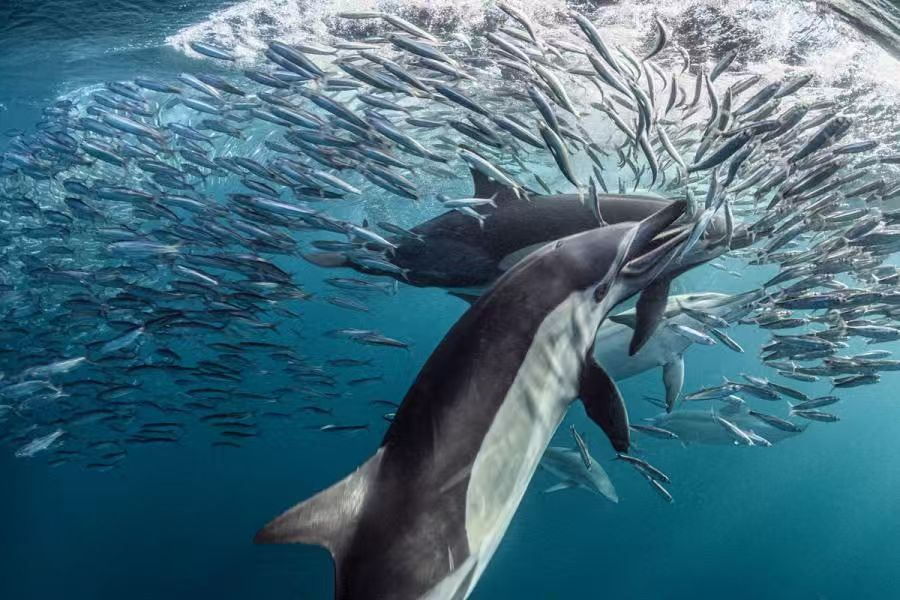
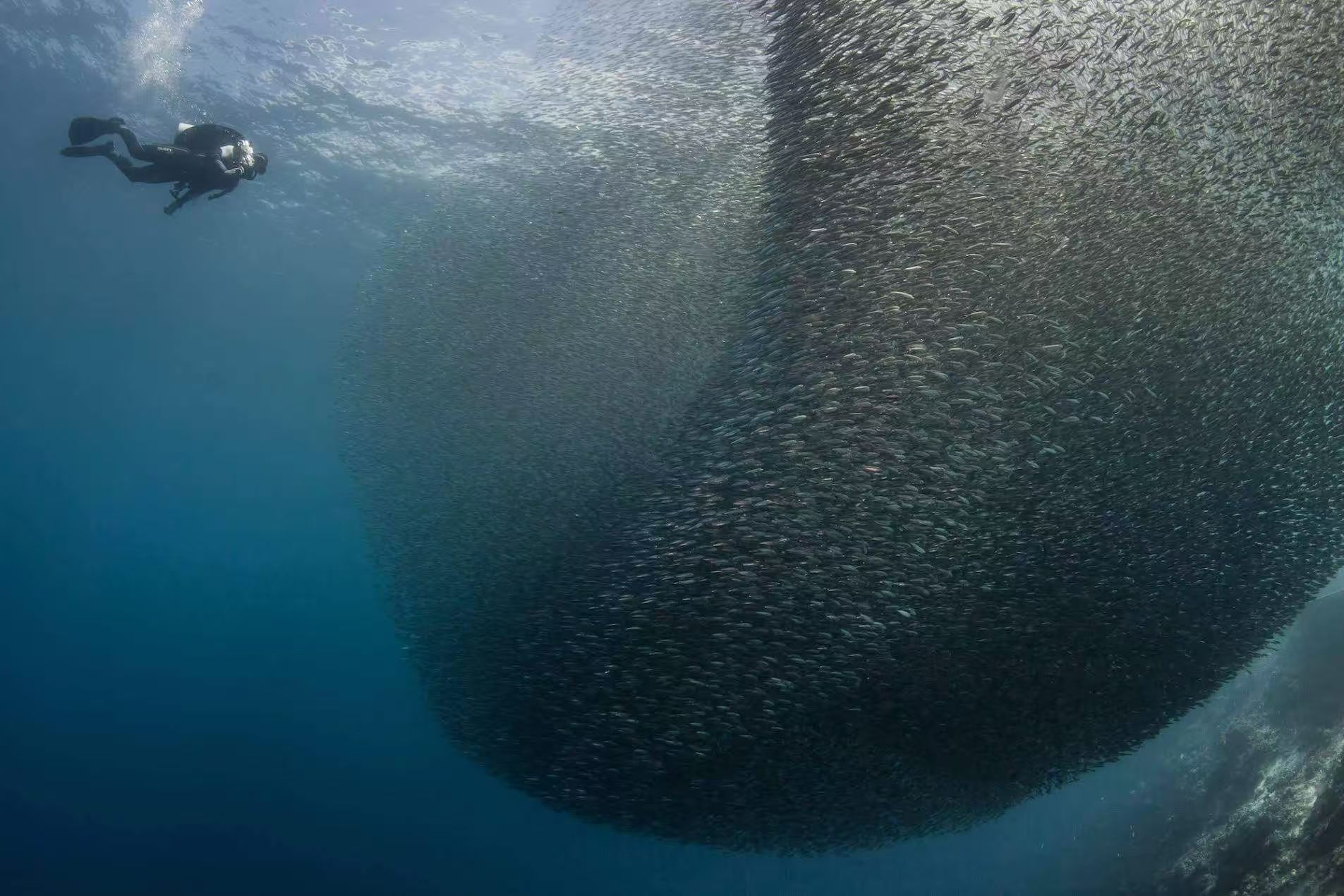
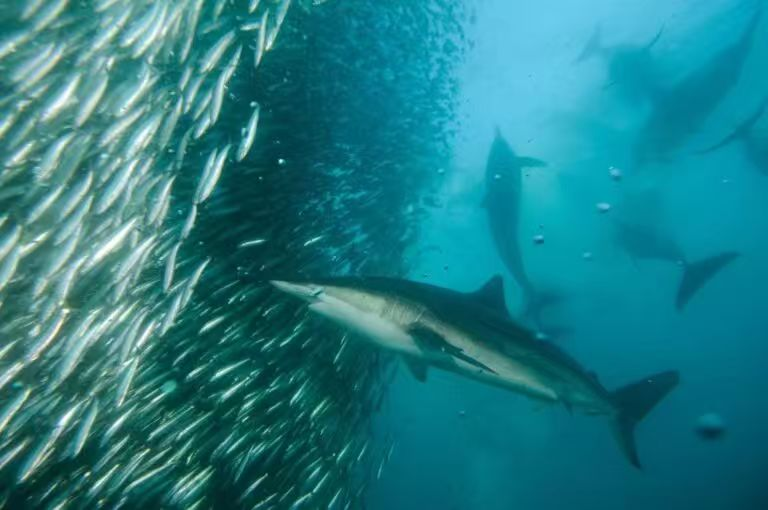
The dive Every year, driven by forces scientists still argue about, billions of sardines leave the cold waters off the Cape and move northeast along the Wild Coast. Common dolphins herd them into dense rotating baitballs near the surface, which then trigger a chain reaction: bronze whaler sharks from below, Cape gannets plunging from above, Bryde's whales lunging from the side, humpback whales migrating through the same corridor. The sardine run is rated the marine equivalent of the Serengeti wildebeest migration, and the comparison holds. Most of the experience is at the surface — snorkelling in the chaos, watching gannets enter the water like thrown darts, feeling the pressure wave of a whale at close range. When a baitball is large and stable enough, divers go in with scuba and look up through the compressed silver mass, sharks working the edges, the whole thing lit from above.
Best for: snorkelling and freediving (with occasional scuba) The boats move quickly and can't always stop long enough for a full scuba dive. Snorkelling is the primary mode; scuba deploys when a static baitball holds. Cold water (15–19°C at its coldest), rough surface conditions, and unpredictable chaos make this unsuitable for nervous beginners — Advanced Open Water or equivalent confidence is strongly recommended.
Why June The sardines reach Port St Johns by mid-June, and the window there — mid-June to end of July — coincides perfectly with the humpback whale northward migration passing through the same corridor. June is when baitball action reaches its highest density. No operator can guarantee baitballs on specific days; build in at least five days and keep dates flexible. Operators using aerial spotters significantly outperform those who don't.
Honest caveat The sardine run doesn't always arrive at full intensity. It has failed to appear in force on a handful of occasions in the past two decades. Flexibility is everything. Port St Johns is the best base; Aliwal Shoal further south can be added for more conventional shark diving.
4 Days · Port St Johns-Based Day 1 — Fly Johannesburg or Durban → Mthatha (UTT). Transfer to Port St Johns (~1.5 hrs). Evening briefing with the crew. Day 2 — Full day at sea following the spotter plane. Sardines, dolphins, sharks, whatever arrives. Day 3 — Full day at sea. Afternoon: explore Port St Johns and the Wild Coast coastline. Day 4 — Half-day at sea (early morning). Transfer back to Mthatha for flight home.
Getting There Fly to Johannesburg (JNB) or Durban King Shaka (DUR), then domestic flight or road transfer to Mthatha Airport (UTT) in the Eastern Cape (~3–4 hrs by road from Durban). Most operators arrange transfers from Mthatha to Port St Johns (~1.5 hrs). Sardine Run packages typically include all transfers from Durban or Mthatha.
Water Temp: 20–24°C (June) Visibility: 15–25m Depth: 5–40m Humpback Whales: June–November (peak August–September) Manta Rays: Year-round Whale Sharks: Peak October–March; occasional year-round Skill Level: Open Water and above
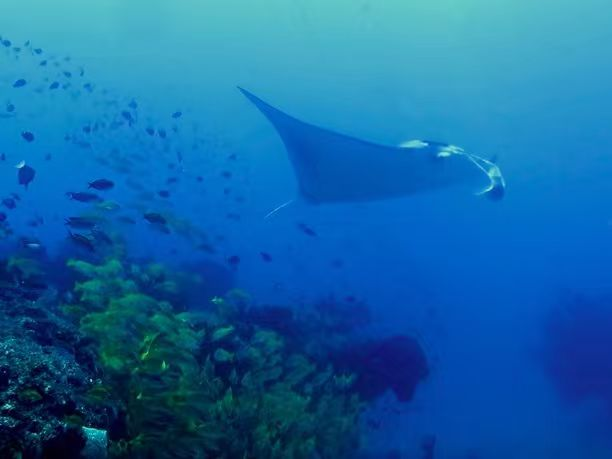
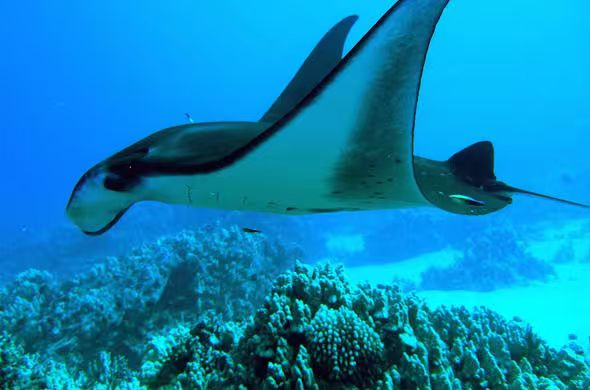
The dive Tofo sits at the convergence of the Mozambique Channel and the Indian Ocean upwelling, and the marine density it creates is something the rest of the continent can't replicate. Giant manta rays — oceanic mantas with wingspans approaching five metres — visit cleaning stations at the deeper dive sites year-round. And from June, the humpbacks arrive: pods moving north from Antarctic waters, so numerous that you hear their calls underwater before you see the animals above the surface. The dive sites are mostly open-water over sandy slopes — wildlife is pelagic and shows up on its own terms. On a good June day you can be at depth with a manta descending to a cleaning station while a humpback passes overhead and a school of kingfish moves through. The macro life — leaf scorpionfish, sea moths, frogfish — is a parallel obsession for those who prefer to look down rather than up.
Best for: scuba (pelagic), snorkelling (whale sharks) Humpback whales cannot be entered with — they're in a vulnerable breeding phase and in-water interaction is not permitted. What's possible is encountering them on surface intervals and ocean safaris, and hearing them clearly underwater. Whale shark encounters run as snorkelling Ocean Safaris from shore. One operator (Liquid Dive Adventures) offers a PADI Humpback Whale Conservation Specialty built around ethical surface observation and hydrophone use.
Why June The rainy season has ended, sea conditions calm, and visibility climbs. It's not peak whale shark season (October–March), but the compensation is real: clearer water, calmer seas, and the first humpbacks of the year. Fewer tourists than August–September keeps the dive sites quiet.
4 Days · Tofo-Based Day 1 — Fly into Inhambane (INH), 30-min drive to Tofo. Afternoon orientation dive: scorpionfish, eels, barracuda. Day 2 — Two boat dives at manta cleaning stations (20m+). Surface interval scanning for humpbacks. Afternoon: ocean safari snorkel for whale sharks and dolphins. Day 3 — Deep manta station + shallow Manta Reef dive. Evening hydrophone session if offered. Day 4 — Morning boat dive + ocean safari. Return to Inhambane for flight.
Getting There Fly to Maputo (MPM) via Johannesburg, Nairobi, Addis Ababa, Dubai, or Lisbon. From Maputo, take a LAM Airlines domestic flight to Inhambane (INH), about 45 minutes. Tofo is a 30-minute drive from the airport. Most dive operators offer transfers. Mozambique is a malaria zone — take appropriate precautions before travel.
03 · GREAT BARRIER REEF — DWARF MINKE WHALES Australia · Tropical North Queensland, Ribbon Reefs The Only Place on Earth · June–July Window Only Scuba Diving · Snorkeling · Liveaboard
Water Temp: 22–24°C (June) Visibility: 20–30m Season: June–July only Access: Liveaboard from Cairns (3–7 nights) Success Rate: 98% since 1996 Skill Level: Open Water minimum for diving; no certification for snorkelling
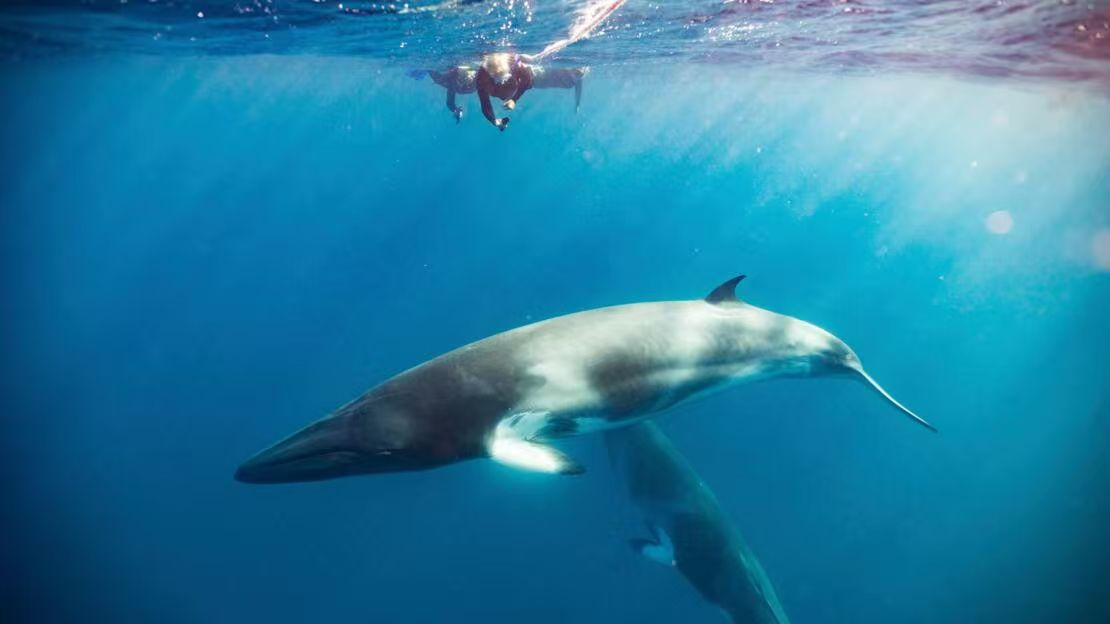
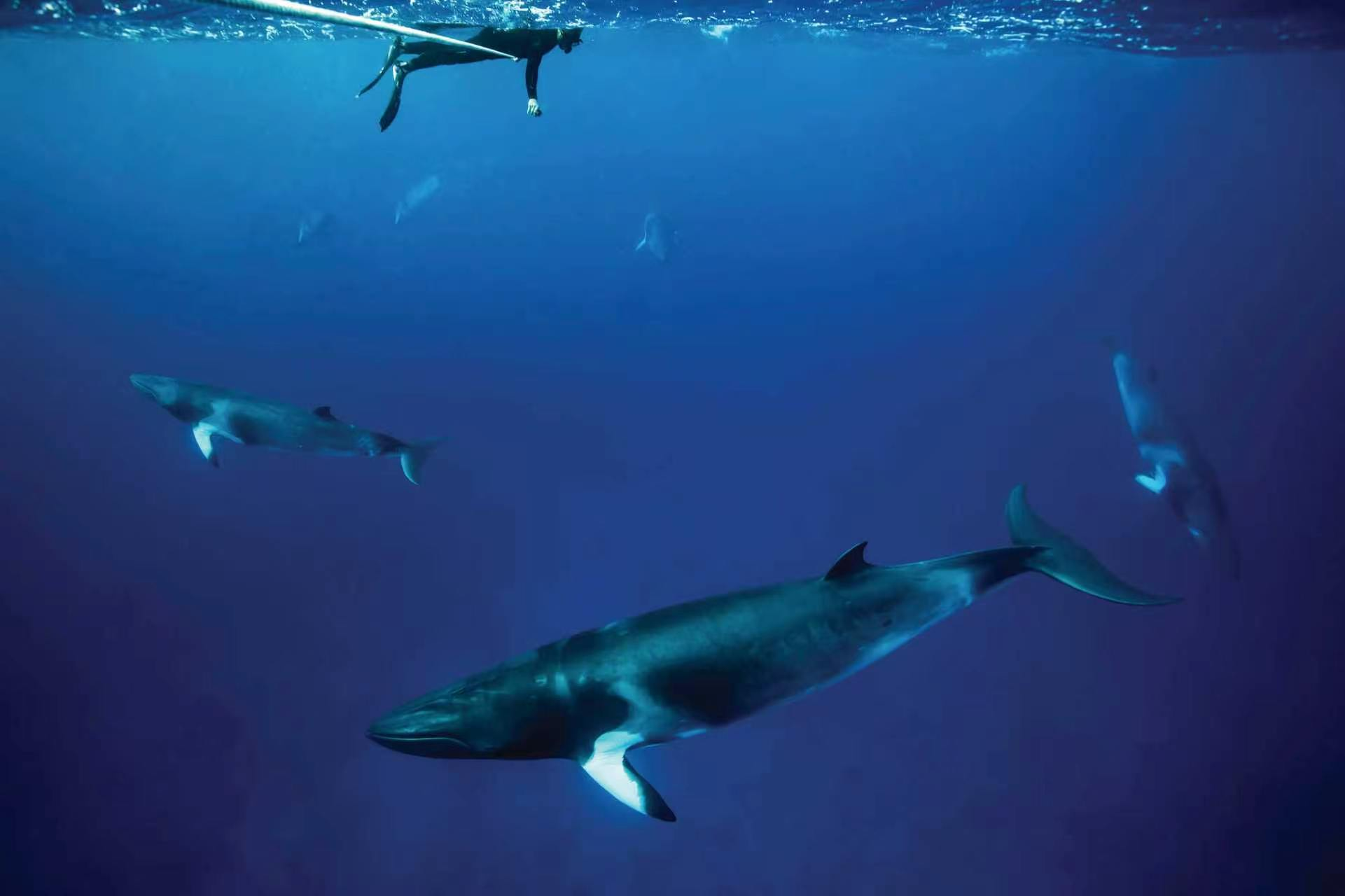
The dive Dwarf minke whales actively seek contact with humans, which has never been satisfactorily explained. They travel from Antarctic waters to the Great Barrier Reef's Ribbon Reefs each June and July, and when divers hold a tow-rope at the surface, the whales investigate — circling within two metres, holding eye contact, sometimes staying for ninety minutes at a stretch. The largest encounter on record involved 28 whales; the longest lasted ten hours. The same liveaboard trips cover the Ribbon Reefs' other highlights — Cod Hole, where potato cod the size of Labradors have been hand-fed by divers for decades; Pixie's Pinnacle; Steve's Bommie — some of the most intact reef diving on the Great Barrier Reef.
Best for: snorkelling (whale encounters), scuba (reef diving) The whale interactions happen at the surface — snorkellers meet minkes as effectively as scuba divers because the whales come up to them. Scuba requires Open Water minimum for the reef sites. Three-, four-, or seven-night liveaboards depart from Cairns; spaces sell out six to twelve months ahead.
Why June The minke whale migration arrives in June and leaves by end of July — this is the only window, worldwide, for this kind of interaction. June also brings low humidity, clear skies, and the year's strongest reef visibility. It is the most comfortable month to be on a Great Barrier Reef liveaboard.
4 Days · Liveaboard Sample (from a 4-night trip) Day 1 — Fly into Cairns (CNS). Board liveaboard at Cairns Marlin Marina in the afternoon. Day 2 — Arrive Ribbon Reefs. Cod Hole and Lighthouse Bommie dives. First whale encounter attempt on tow-rope. Day 3 — Full day on the Ribbon Reefs: reef dives and multiple whale encounter attempts. Typically the highest-encounter day. Day 4 — Final morning dives before sailing back to Cairns.
Getting There Fly into Cairns (CNS) — domestic connections from Sydney, Melbourne, Brisbane, and Perth. International connections from Singapore, Tokyo, and other Asian hubs in season. Main liveaboard operators: Mike Ball Dive Expeditions (Spoilsport), Divers Den (OceanQuest), Spirit of Freedom. Book 6–12 months ahead — June dates sell out first.
04 · FAKARAVA SOUTH PASS French Polynesia · Tuamotu Archipelago UNESCO Biosphere Reserve · Full Moon Spawning Event Scuba Diving · Drift Diving
Water Temp: 26–28°C (June) Visibility: 30–45m Depth: 10–40m Spawning Timing: Full moon of June or July; event occurs at dawn on the outgoing tide Night Diving: NOT permitted in Fakarava Skill Level: Intermediate to Advanced (strong drift experience required)
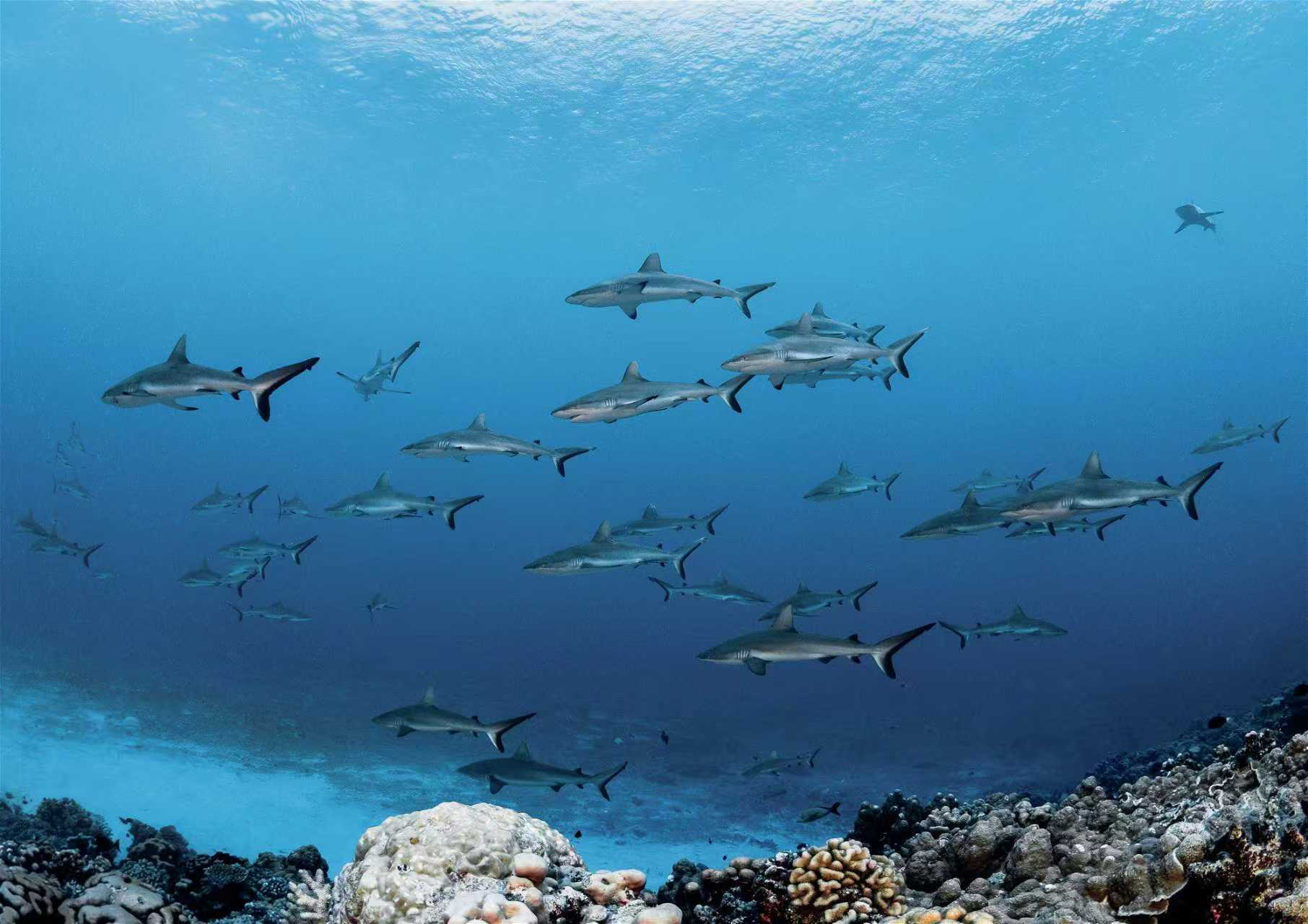
The dive Several days before the full moon in June or July, close to twenty thousand marbled groupers converge on Fakarava's South Pass — a narrow trench where tidal currents run at their fastest. The females carry eggs; the males mill around in competitive frenzy. At peak outgoing tide on the spawning morning, females release eggs in clouds, males release sperm simultaneously, and the fertilised mass is swept to sea. The sharks are there for all of it. Photographer Laurent Ballesta documented over 700 grey reef sharks in a single frame here — footage that appeared in BBC's Blue Planet II. The dives in the days before and after the spawning, when groupers are aggregating and sharks gathering, can be as extraordinary as the event itself. The North Pass (Garuae Pass), the widest in French Polynesia, offers a different register: a 1.6km drift with grey reef sharks, dolphins, Napoleon wrasse, and barracuda in 30–45m visibility.
Best for: scuba (drift diving) Strong tidal currents in the South Pass demand confidence in drift diving, holding position behind bommies, and reading current shifts quickly. A guide is mandatory by French law. The spawning happens at dawn on the full moon outgoing tide; night diving is prohibited. Timing your trip around the precise moon phase is not optional.
Why June The marbled grouper spawning happens on the full moon of June or July — sometimes both. June is typically the primary event. Book 9–12 months ahead; accommodation near Tetamanu (the south end, where the action is) books out first and is extremely remote.
4 Days · Fakarava-Based Day 1 — Fly Papeete (PPT) → Fakarava (FAV), ~1 hr on Air Tahiti. Two afternoon drift dives at Garuae North Pass — sharks, Napoleon wrasse, barracuda. Day 2 — Boat south to Tetamanu (2 hrs). Dives at South Pass with groupers aggregating and shark numbers building. Day 3 — Pre-dawn entry at South Pass timed to the full moon. The spawning dive at first light. Second dive as the tide changes. Day 4 — Final South Pass dive. Boat back north for afternoon flight to Papeete.
Getting There Fly into Papeete, Tahiti (PPT) from Los Angeles (Air Tahiti Nui, United), Auckland, Tokyo, Sydney, or Paris. Then Air Tahiti domestic flight to Fakarava (FAV), ~1 hour. The airport is 15 minutes from Rotoava village. For the South Pass, either stay at Tetamanu (remote — no electricity, supplies by boat) or day-trip from Rotoava by boat (2 hrs each way). A Rangiroa extension is worth building in — Tiputa Pass is among the finest drift dives in the Pacific.
05 · DAHAB — RED SEA Egypt · Sinai Peninsula Freediving Mecca · Best Visibility of the Year Scuba Diving · Freediving · Snorkeling
Water Temp: 25–27°C (June) Visibility: 25–35m (June–August is peak visibility season) Depth: Blue Hole drops beyond 100m; The Arch at 52–56m (technical only) Skill Level: All levels (rim and recreational diving) to technical (The Arch)
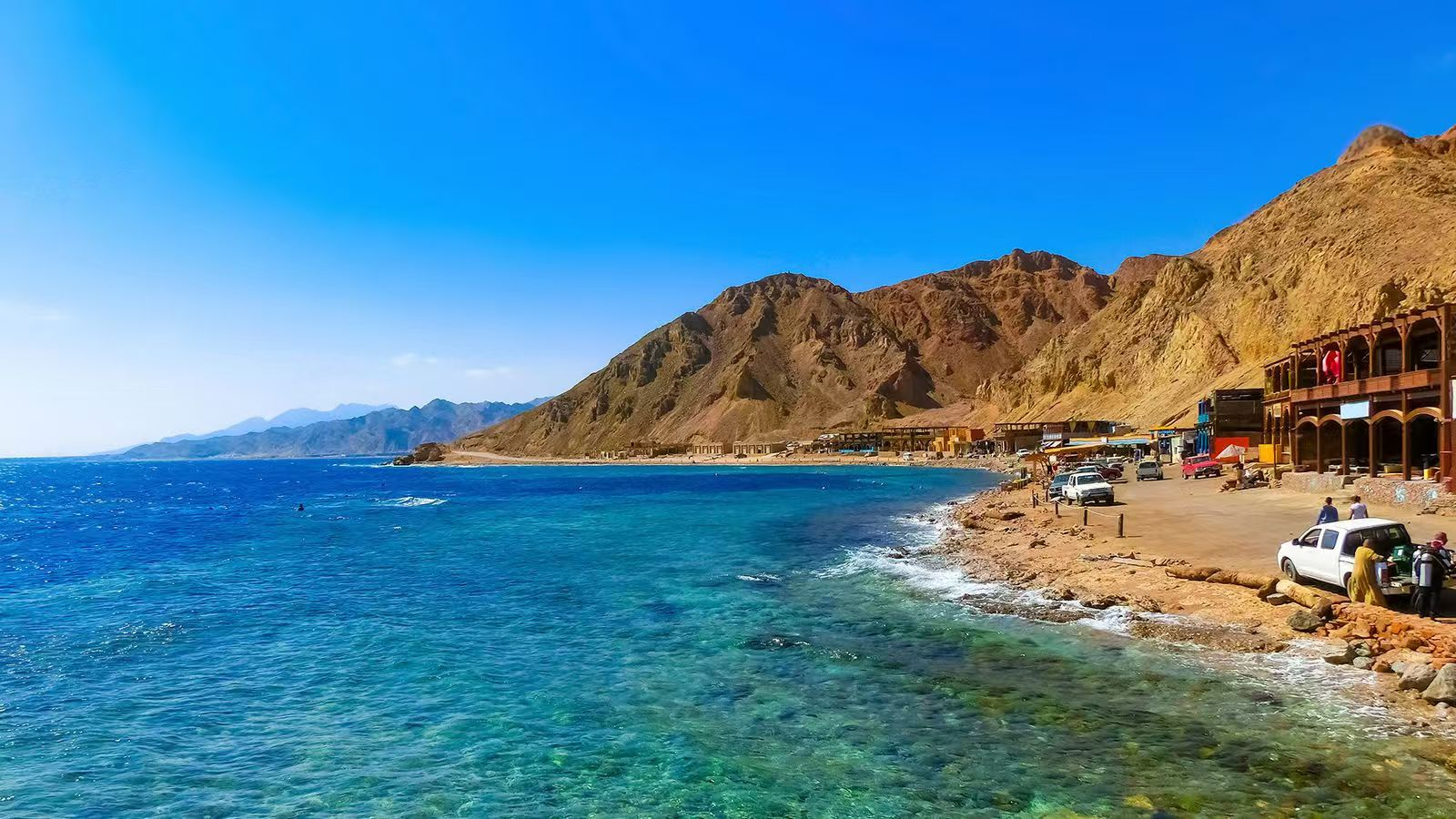
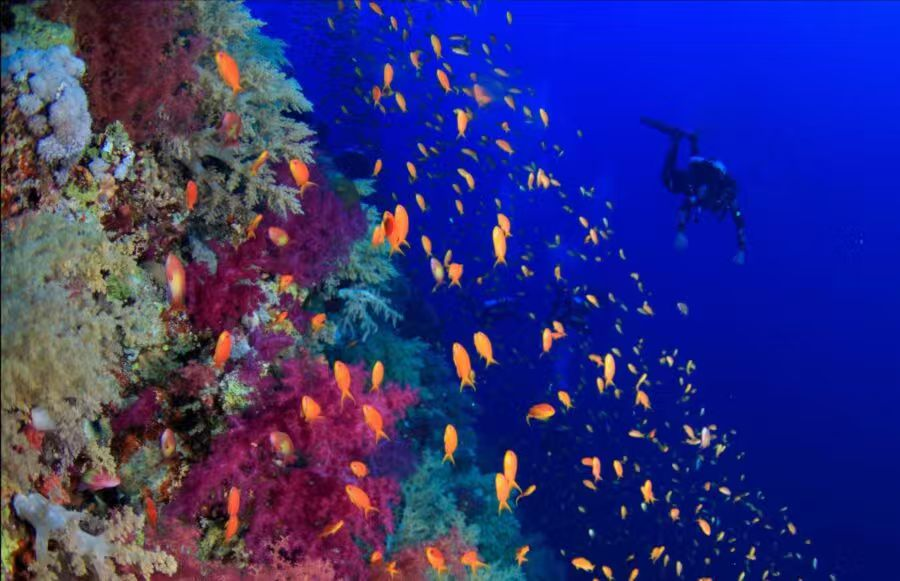
The dive Dahab is a Bedouin fishing town that has become, by geography and culture, the freediving capital of the world. The Blue Hole — a near-perfect sinkhole plunging past 100 metres, five minutes' walk from the beachfront cafes — is where serious apnea practitioners train in conditions that don't exist elsewhere: no current, no boat traffic, extreme depth from shore, visibility so clear you can see the walls disappearing below you. The Arch, a 26-metre tunnel starting at 52–56 metres, is the specific target of technical and advanced freedivers and has claimed lives through narcosis and hypoxia — it is not a recreational objective. The Bells-to-Blue-Hole drift, the Canyon, the Japanese Gardens, and Lighthouse Reef give the broader area enough variety for a week. Ras Mohammed National Park and the SS Thistlegorm — a WWII British supply ship at 30 metres, motorcycles and jeeps still in the hold — sit 90 minutes south, among the ten best wreck dives on earth.
Best for: freediving (Blue Hole), scuba (drift and reef), all levels Recreational divers work the outer wall and the Bells route; the Arch requires technical certification. June offers the year's best visibility and a comfortable 25–27°C — ideal for a 3mm wetsuit. European crowds peak in July and August; June is the last relatively quiet month.
Why June Peak visibility season begins in June and holds through August. Water temperature has reached its sweet spot. Early June mornings are flat and windless — ideal for freediving surface protocol and rescue management.
4 Days · Dahab-Based Day 1 — Fly into Sharm el-Sheikh (SSH) or Eilat (ETH, Israel) and transfer to Dahab (45 min–1.5 hrs). Afternoon snorkel and check dive at Lighthouse Reef. Day 2 — Blue Hole: Bells-to-Blue-Hole drift dive, then freediving sessions on the rim. Afternoon: The Canyon. Day 3 — Full-day trip to Ras Mohammed and SS Thistlegorm wreck (two dives, 30m). Day 4 — Japanese Gardens (macro). Final Blue Hole freediving session before departure.
Getting There Fly into Sharm el-Sheikh (SSH) — served from London, Paris, Frankfurt, Dubai, Amman, and Moscow. Alternatively, fly into Eilat/Ramon Airport (ETH) in Israel and cross at the Taba border. From Sharm, Dahab is 90 minutes by road. The Blue Hole is 8–10km north of town — taxi or the coastal walk. Entry permit to the Blue Hole: $10 USD, paid at the gate.
06 · PALAU Micronesia · Western Pacific World-Class Reef Ecosystem · Shoulder Season Value Scuba Diving · Drift Diving · Wreck Diving · Snorkeling
Water Temp: 28–29°C (June) Visibility: 15–25m (peak season December–March reaches 30–35m) Depth: 5–50m Season: Year-round (peak December–March; June is shoulder season) Skill Level: All levels (Blue Corner and Peleliu require Advanced)
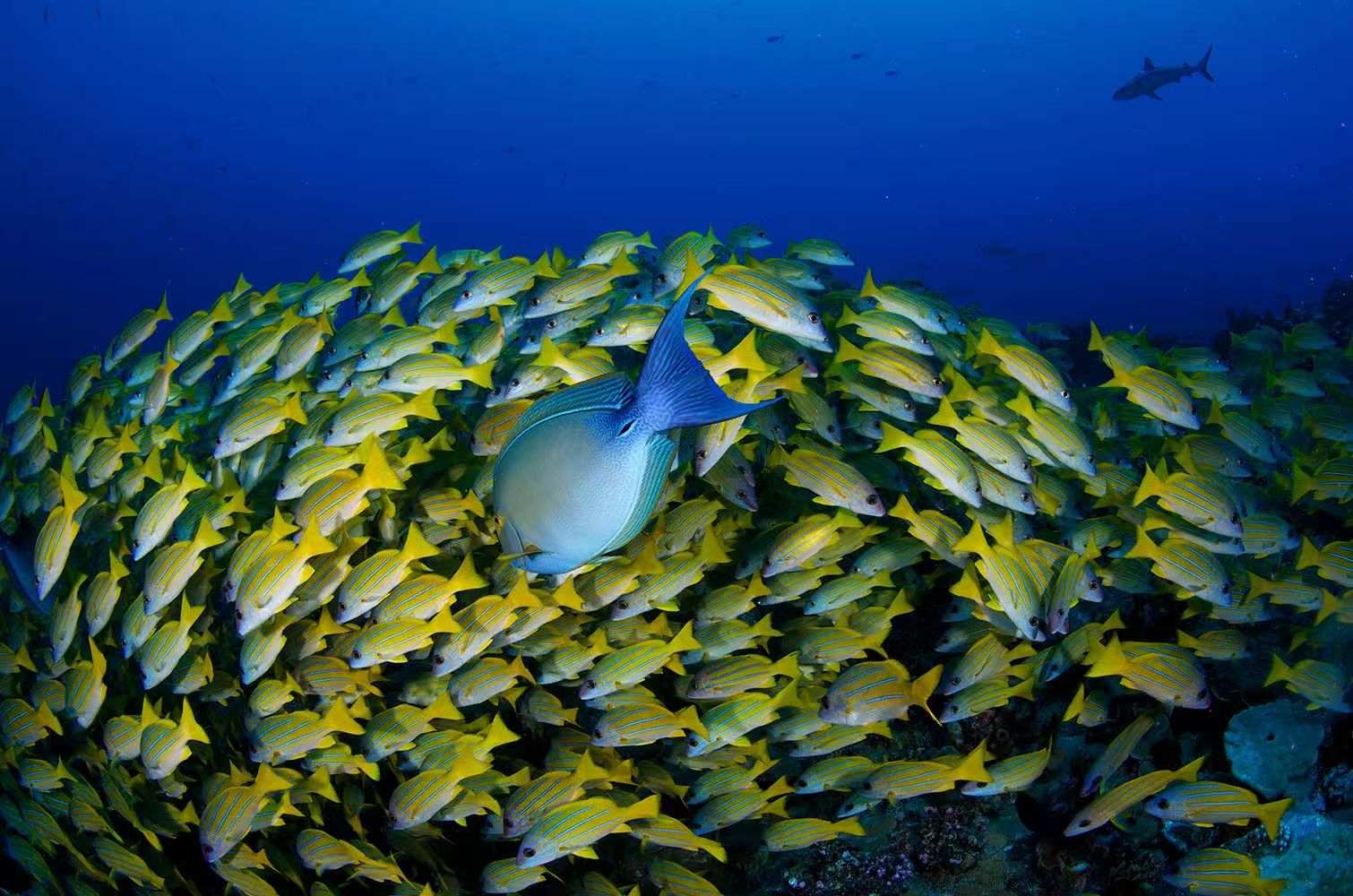
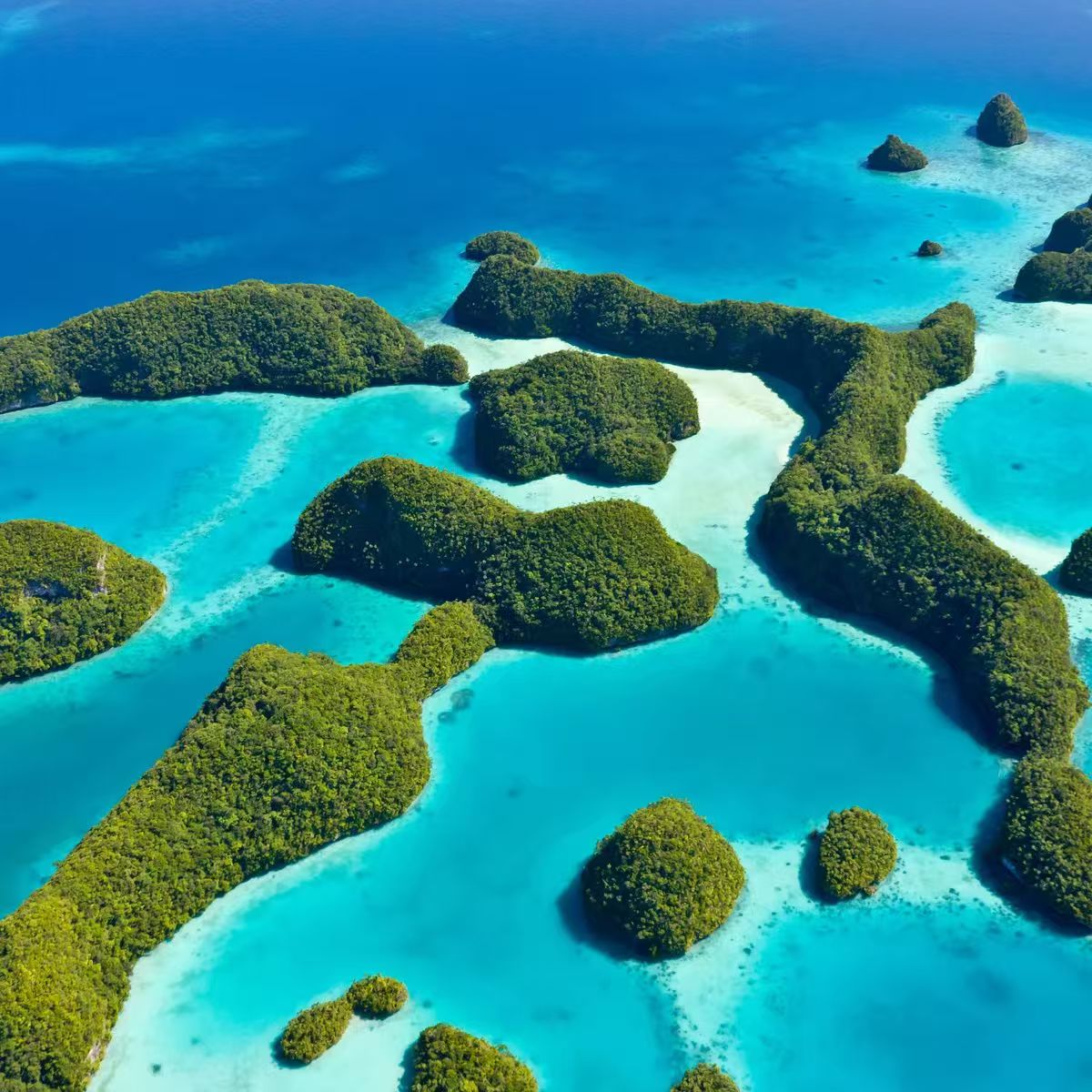
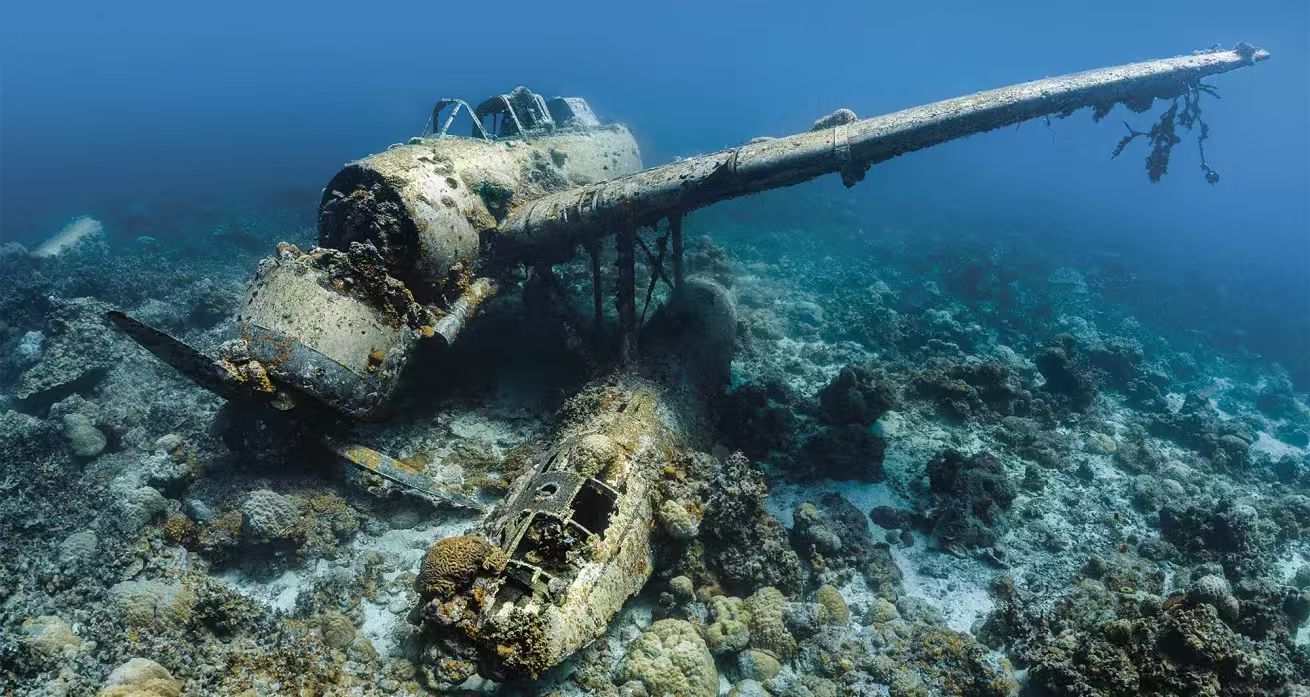
The dive Palau sits where the Pacific Ocean meets the Philippine Sea, and the confluence of currents produces reef of implausible richness — average live coral cover exceeds 45%, among the highest recorded anywhere on earth. Blue Corner is a drift dive where a reef hook holds you in position while sharks, eagle rays, bumphead parrotfish, and Napoleon wrasse stream past in the current. Palau declared its entire national water territory a shark sanctuary in 2009 — the world's first — and it shows. Chandelier Cave involves moving through flooded limestone passages between natural air chambers inside the cavern system. The WWII wreck field adds Japanese warships and aircraft at accessible depths; the Iro Maru at 23–35m is among the best-preserved fleet wrecks in Micronesia.
Important note on Jellyfish Lake The golden jellyfish population collapsed following extended marine heat. Multiple operators report the lake as essentially empty since late 2024. Check with operators before booking if this is a primary motivation.
Best for: scuba (drift and wreck), all levels Blue Corner requires Advanced Open Water and experience with reef hooks and current entries. Resort-based diving is well developed in Koror; a liveaboard is not required.
Why June (honest version) December–March offers better visibility and calmer conditions. June is shoulder season: some rain, visibility 15–25m rather than 30–35m. The argument is crowd levels and price — June is significantly quieter than peak months, and the reef itself doesn't change. Blue Corner, Peleliu Wall, and the wrecks are just as good. For summer-only travellers, Palau in June remains a world-class destination.
4 Days · Koror-Based Day 1 — Fly into Koror (ROR). Afternoon check dive. Gear and briefing. Day 2 — Blue Corner (two dives — reef hook, sharks, eagle rays). Afternoon: Chandelier Cave. Day 3 — Peleliu full day: Peleliu Wall drift dive + WWII land history. Peleliu entry permit required ($60, valid 5 days as of 2025). Day 4 — German Channel (manta station). Iro Maru wreck dive. Afternoon flight.
Getting There Palau International Airport (ROR) in Koror is served from Tokyo (Narita), Manila, Taipei, Seoul, Guam, and — since December 2024 — Brisbane (Qantas weekly nonstop, ~6 hrs). From the US, connect via Guam or Manila. From Europe, connect via Tokyo, Seoul, or Manila. Currency is US Dollars. No visa required for most Western nationalities.
JUNE IN THE SOUTHERN HEMISPHERE. WINTER THAT DOESN'T FEEL LIKE WINTER.
The six destinations here share almost nothing except this: the ocean does something specific in June that it doesn't do reliably at any other time. Sardines run. Groupers spawn. Minke whales arrive. Humpbacks migrate. The Red Sea clears. Palau empties of crowds. The timing, at least, is right.