The Coffee Region Colombia Guide Skips: Salento, Cocora, and the Valley Nobody's Heard Of
Cartagena and Medellín get the coverage — Colombia's Coffee Region gets overlooked. Here's what a recent trip through Salento, Cocora, and a wax palm valley almost nobody's heard of actually looks like, plus the logistics guides tend to skip.
Alternate title options: "Colombia's Coffee Region Beyond Cocora: A 5-Day Itinerary from Pereira" / "Salento and Valle de Cocora Travel Guide: What Cartagena Guides Leave Out"
Cartagena gets the colonial-city crowd. Medellín gets the digital nomads. The Zona Cafetera — Colombia's coffee-growing region around Pereira, Armenia, and Salento — gets a lot less written about it, which is strange, because it might be the most efficient few days you can spend in the country: wax palm valleys, sunrise paragliding over coffee farms, and thermal springs, all within an hour of each other.
Here's what stood out on a recent trip through the region, including one spot that didn't show up in any guide beforehand.
Getting to the Coffee Region: Pereira Is the Move
Most itineraries route through Armenia, but Pereira's airport (Aeropuerto Internacional Matecaña) is small enough that immigration took under 10 minutes on arrival. From there, an Uber to Salento runs around $40 and takes about an hour — Uber operates normally in both Pereira and Armenia, despite its legal gray zone in parts of Colombia, so you don't need to negotiate with airport taxi drivers.
Share
Start a trip Fortrip can actually defend.
Sketch a brief. We come back with an itinerary that reads like a recommendation, not a checklist — and tell you what we’d change about it.
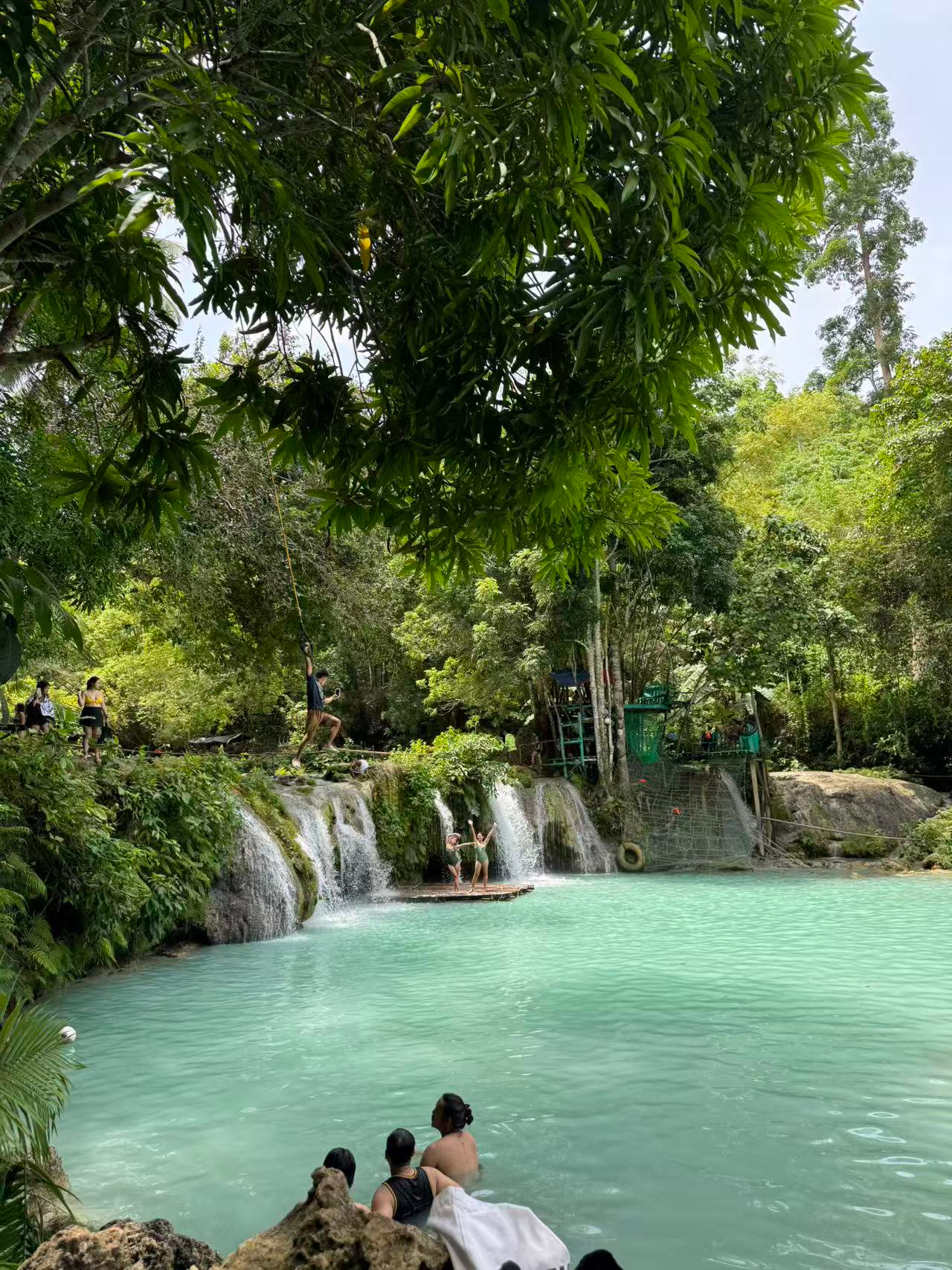
Barefoot, hippie, sunset-beer-on-the-beach energy — Siquijor is the laid-back reset the Philippines doesn't always get credit for. Cliff jumps, rope-swing waterfalls, and a low-tide seawall walk, plus exactly how to route it with Bohol so you're not backtracking.
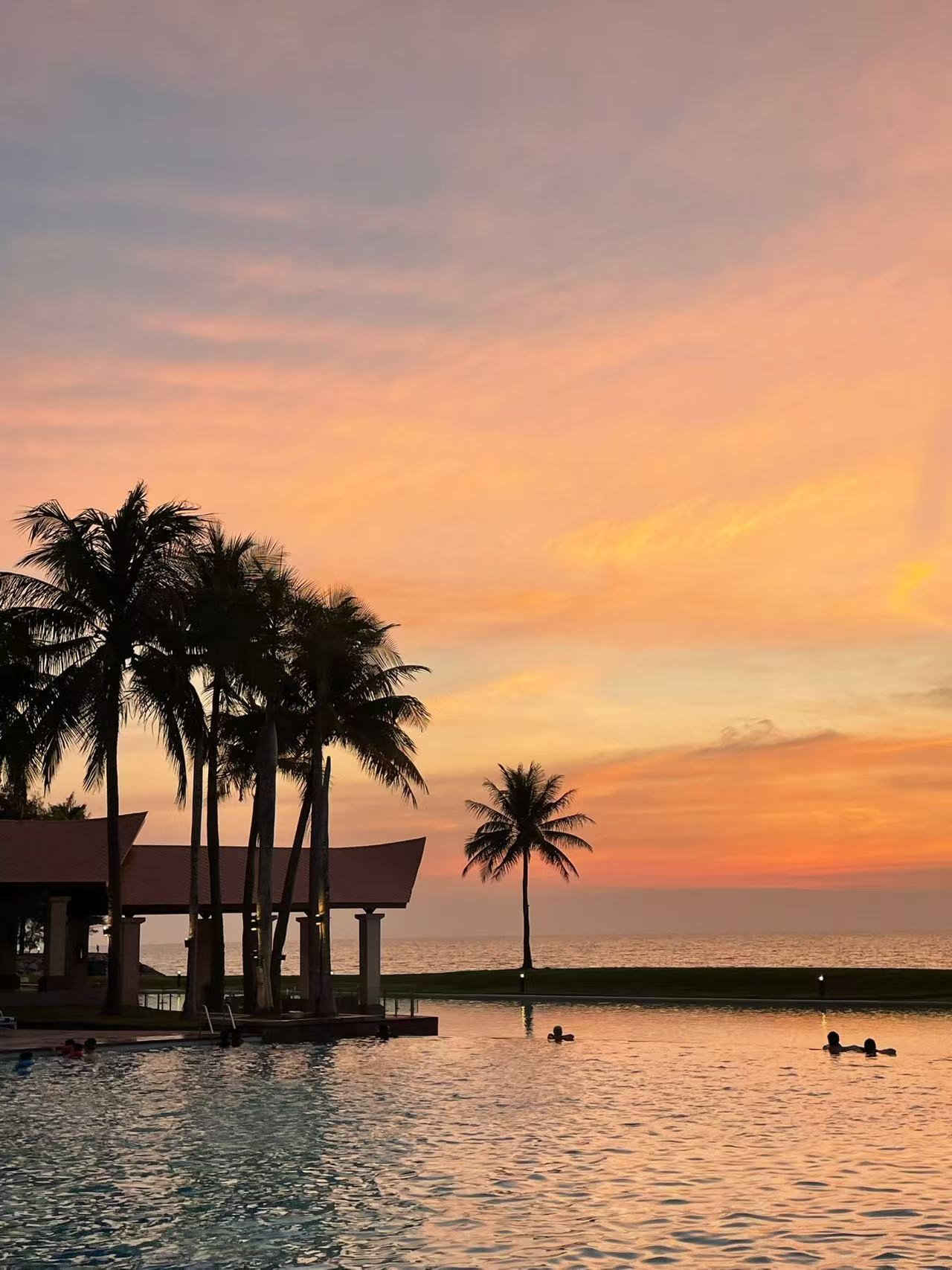
A proboscis monkey boat trip, an infinity pool at sunset, and one airport mistake worth avoiding — a full Brunei guide covering mosques, water villages, night markets, and exactly how to time two days in the capital.
Money tip: if you're changing cash, do it in Pereira before heading to Salento. Rates and availability are better in the city than in the smaller coffee towns.
If Colombia's coffee region is your only stop and you're not connecting to other Colombian cities, Copa Airlines routes through Panama City and can connect Pereira to onward international destinations without backtracking to Bogotá.
Valle de Cocora: The Highlight, and It Earns It
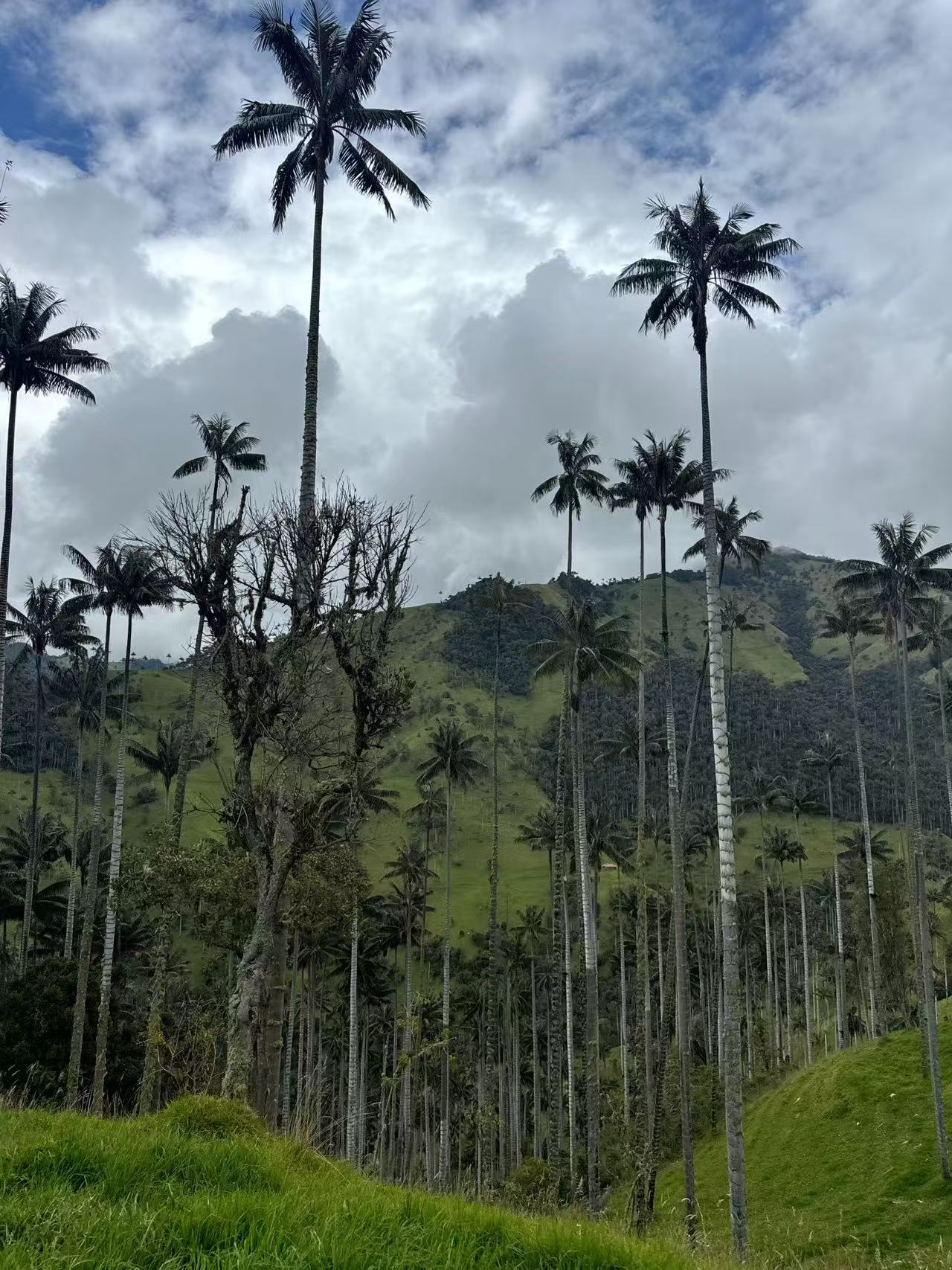
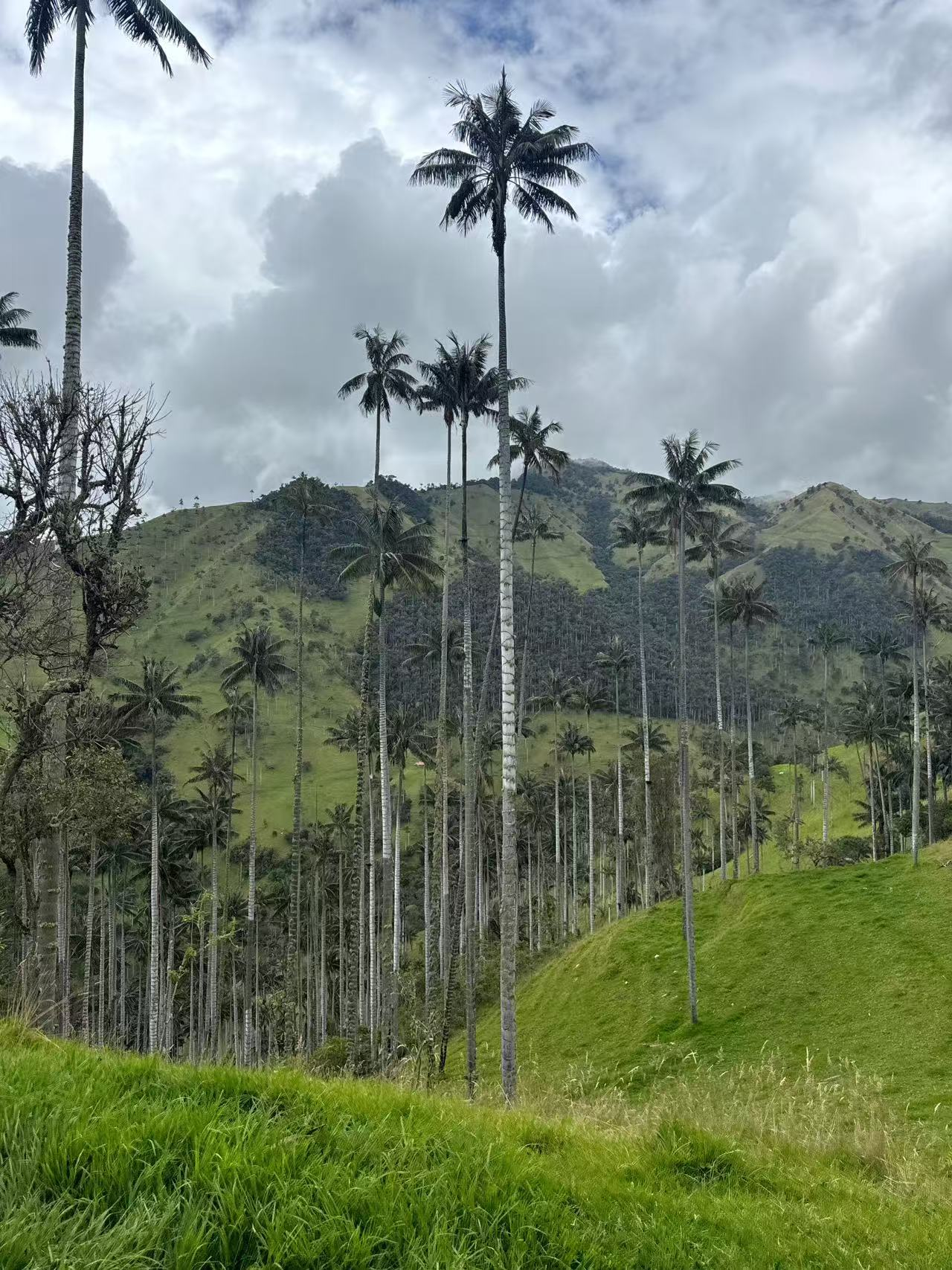
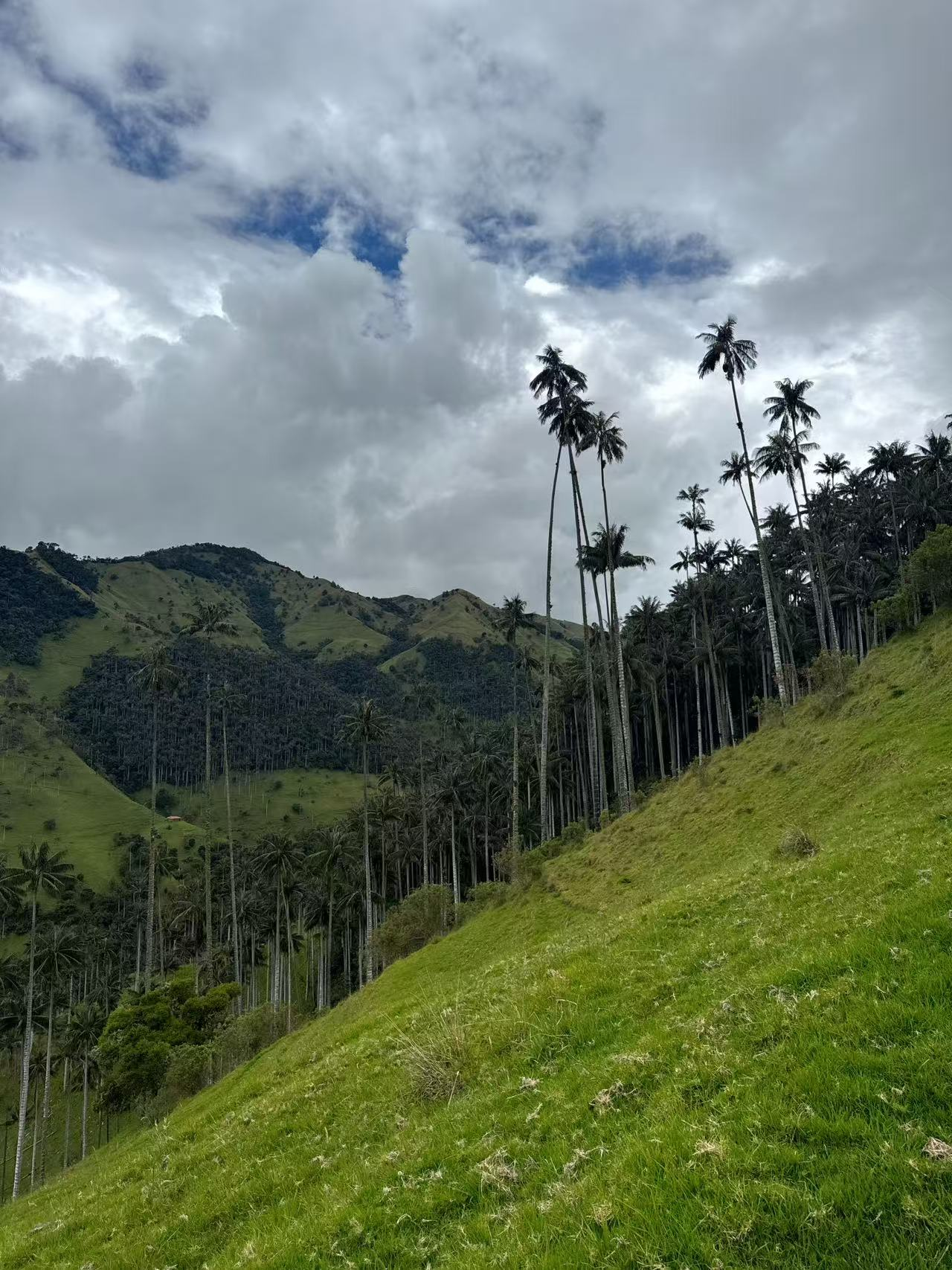
Valle de Cocora is the reason most people come to Salento, and it's not overhyped. The wax palms here — Colombia's national tree — grow taller than almost any other palm species on earth, and the image is recognizable even if you've never been: it's on the country's 100,000 peso note, alongside the barranquero bird and a former president's portrait.
Salento itself is worth a slow afternoon before or after the hike. The colonial streetscape — painted balconies, low tile roofs, a hill overlook at the edge of town — is regularly cited as one of the real-world references the Encanto production team drew on while developing the film's setting, alongside towns further north like Barichara.
La Carbonera: The Wax Palm Valley Almost Nobody Visits
This is the one worth flagging, because it's not in most guides yet. La Carbonera is another wax palm valley near Salento — same species, same surreal scale, a fraction of the foot traffic. On the day of this visit, the trail was completely empty: no other tourists, no jeeps queued at the entrance, just wax palms and silence. Several locals asked about it in Salento hadn't heard of the name.
If Cocora feels more like a managed attraction (which, to be fair, it increasingly is) and you want the same landscape without anyone else in the frame, La Carbonera is the answer.
One planning note that matters: La Carbonera doesn't run group "tours colectivos" the way Cocora does. It's private-only, and agencies don't sell it as a walk-up product — book the tour in advance rather than assuming you can arrange it on arrival.
Buenavista and Paragliding Over the Coffee Valleys
Armenia is usually treated as a transit point on the way to Salento, which undersells it. Just outside the city, Buenavista is a paragliding launch point over the coffee farms, and flying at sunrise is arguably the single best experience the region offers — the powered paragliding option extends the flight time and altitude range beyond a standard tandem glide, if that's available when you go.
It's worth building a dedicated day around this rather than treating Armenia as a layover.
Santa Rosa de Cabal Hot Springs
Natural thermal pools running down the mountainside, popular with Colombian visitors as much as tourists, which is usually a good sign. Go early — the pools get progressively busier through the day, and the early slot is noticeably quieter.
How Long to Spend in Colombia's Coffee Region
A week, or slightly more, lets you cover Salento, Cocora, La Carbonera, Buenavista, and Santa Rosa de Cabal without rushing, plus a side trip to Manizales if you want a third coffee town in the mix. The region also works well as a connector: it sits naturally on a route between Bogotá or Medellín and Cali or Popayán if you're continuing south.
Weather note: a June visit here meant rain most afternoons, but nothing that disrupted plans — light, predictable showers rather than the heavier rainy-season weather elsewhere in Colombia. Coffee Region trips during the rainy season are generally still workable if you plan outdoor activities for mornings.
Quick-Reference: Coffee Region Colombia FAQ
What airport do you fly into for Salento and Cocora Valley?
Pereira (Matecaña International Airport) or Armenia; Pereira tends to have shorter immigration lines. Uber from Pereira to Salento is about $40 and roughly an hour.
Is La Carbonera better than Valle de Cocora?
Different trade-offs, not strictly better. Cocora is more accessible and better-infrastructured; La Carbonera offers the same wax palm scenery with far fewer visitors, but must be booked privately in advance since group tours don't operate there.
How many days do you need in the Coffee Region?
5–7 days covers Salento, Cocora, La Carbonera, Buenavista, and Santa Rosa de Cabal comfortably, with room for a Manizales day trip.
Is Uber available in the Coffee Region?
Yes, in both Pereira and Armenia.
When is the best time to visit — does rainy season ruin the trip?
June (rainy season) brought light, predictable afternoon rain rather than heavy disruption. Scheduling outdoor activities like paragliding and hiking for mornings works around it.
Planning your own route through Colombia's Coffee Region?
Stitching together Pereira logistics, a private La Carbonera booking, a sunrise paragliding slot in Buenavista, and onward transport to Cali or Bogotá is exactly the kind of multi-stop planning that's easy to get wrong — overlapping tour windows, missed transfer connections, unrealistic pacing between towns. FortripAI builds itineraries around real transfer times and flags scheduling conflicts before you book, so a boutique-yet-still-multi-stop region like this one doesn't end up costing you a wasted half-day. Try mapping out a Coffee Region route with it before you lock in flights.