Aswan
Photo by Kuan L on Unsplash
1 / 5Egypt · Nile city
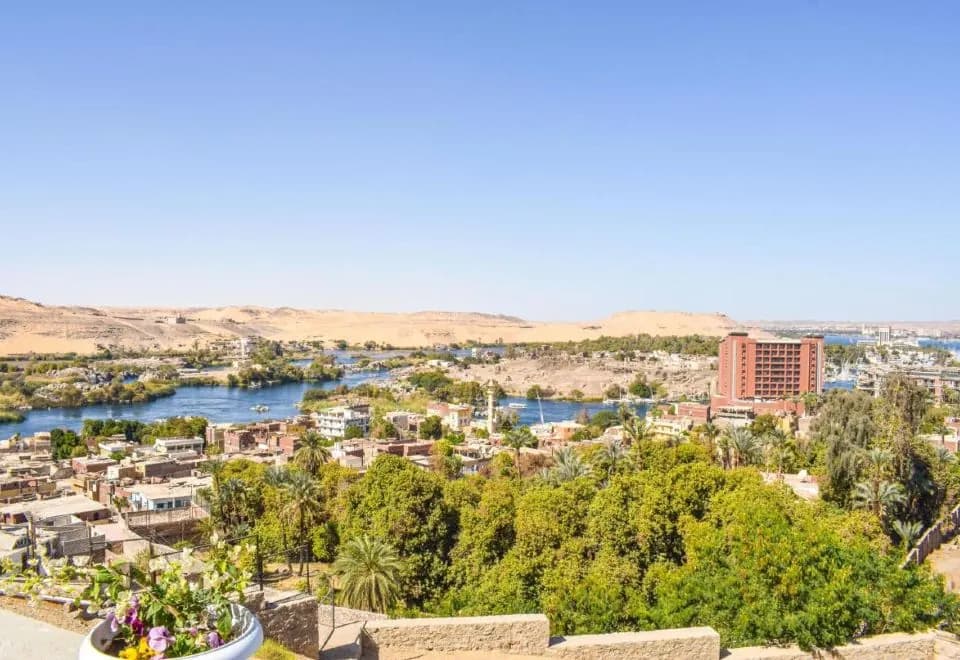
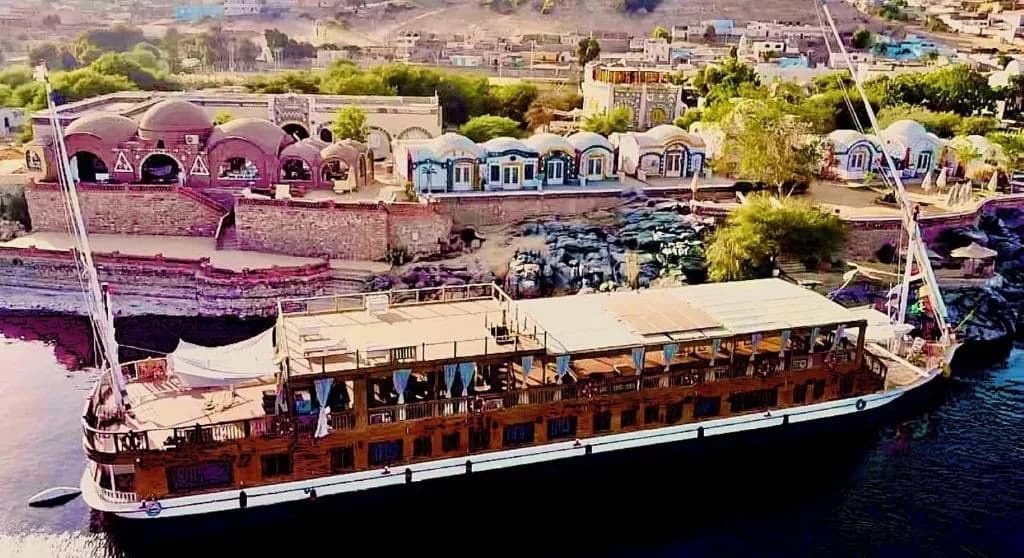
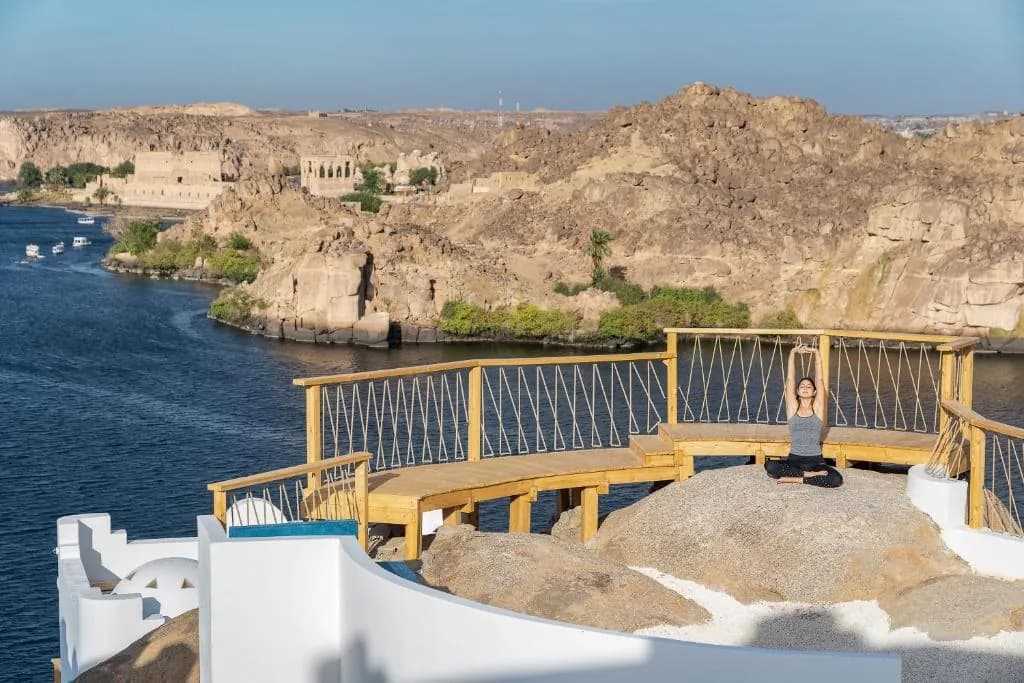
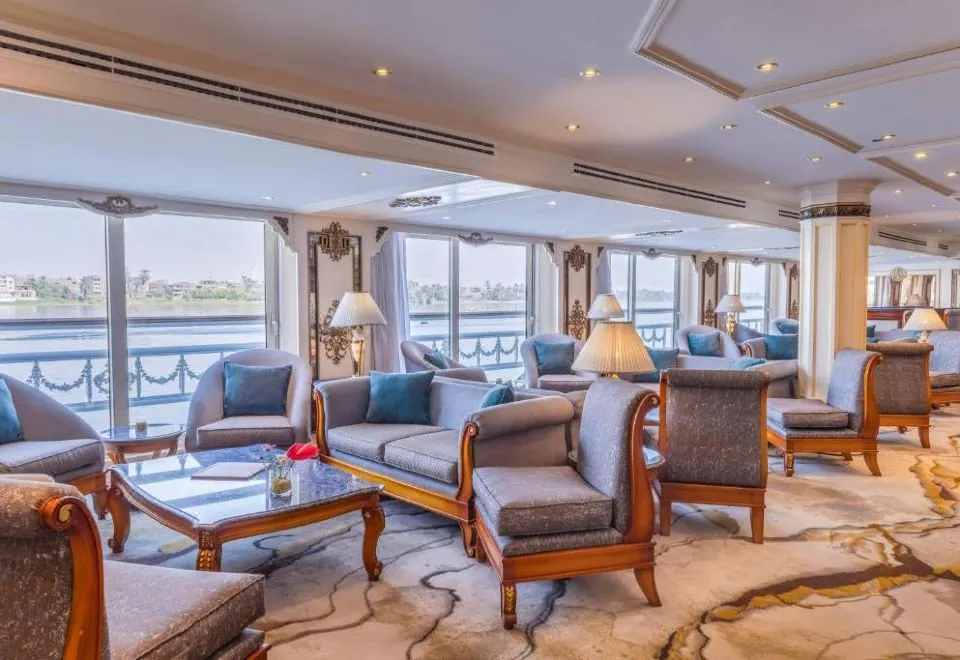
Aswan sits on the Nile at Egypt's southern edge, a laid-back river city and historic gateway to Nubia with a long winter-resort tradition. Its 44 hotels, from cruise boats to riverside resorts, make it a calm base for temple sites, felucca rides, and Nubian culture.
Known for: History · Culture · Nature · Relaxation
November through February is the best time to visit Aswan, with daytime highs around 24-30°C, cool nights, and dry, low-humidity air. The hottest months are June to September, where daily temperatures exceed 40°C, though the low humidity helps. March and October are warm but pleasant for most travelers.
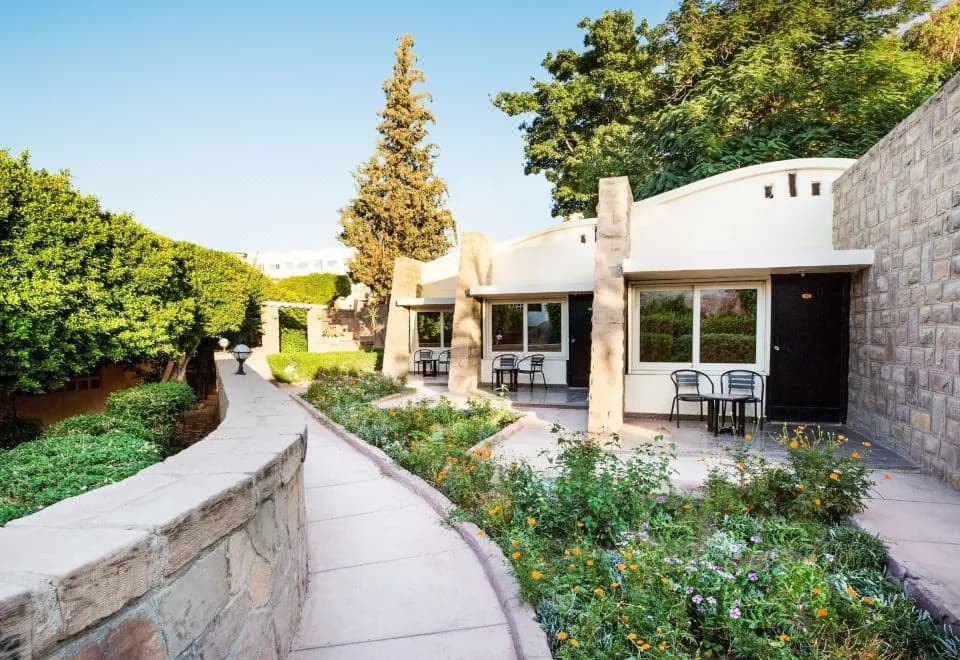
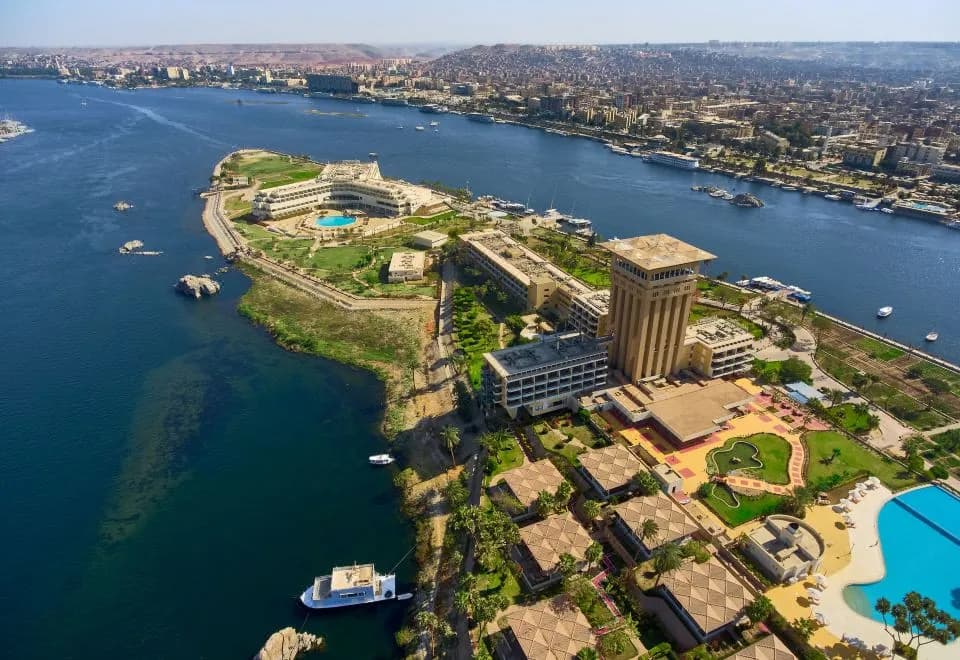
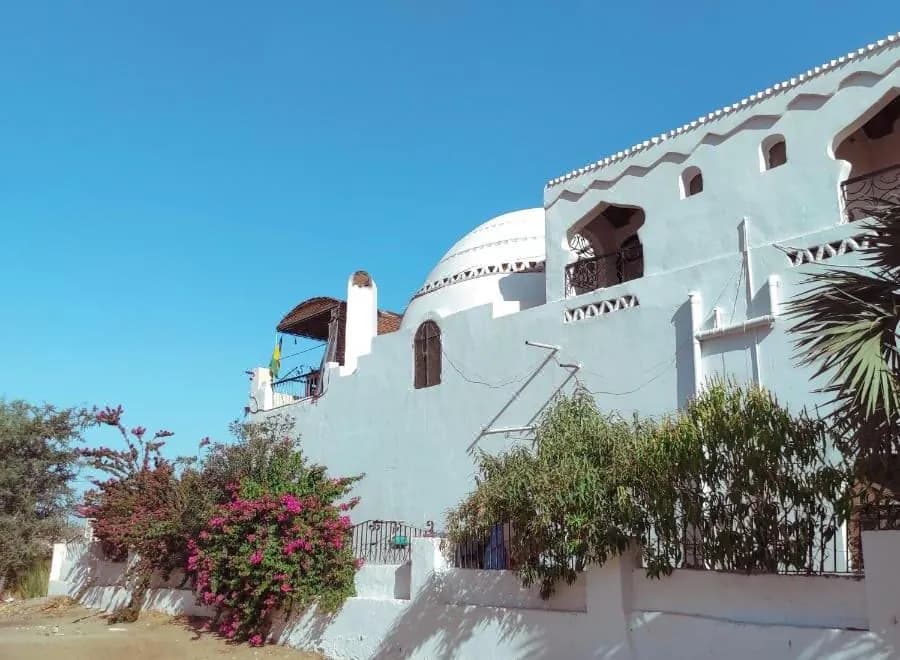
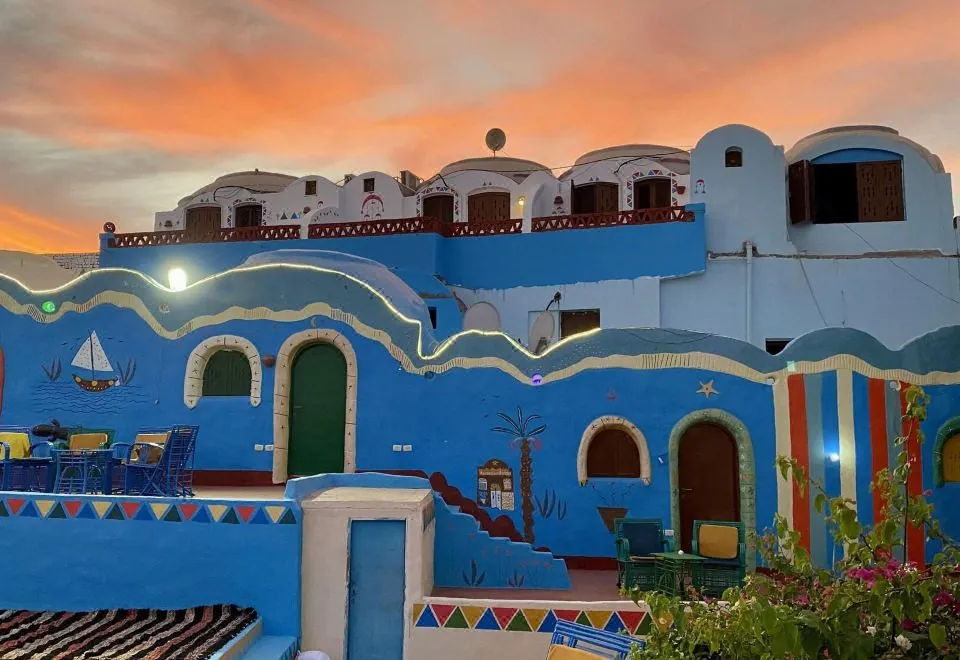
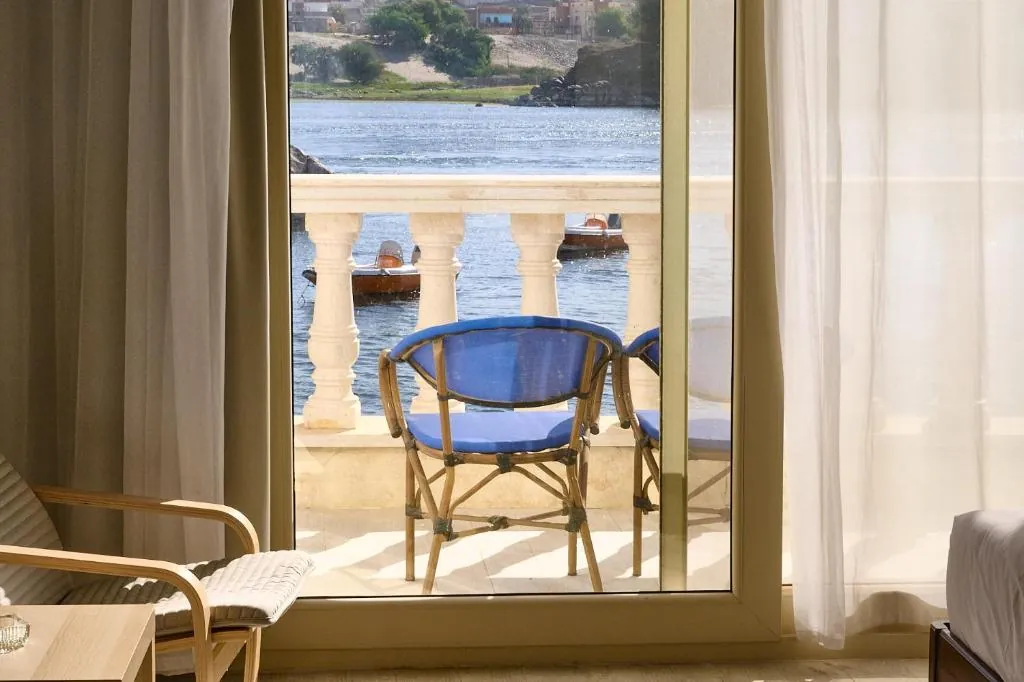
Stay along the Corniche for easy access to the Nile, markets, and temples. The West Bank offers Nubian villages and a quieter feel, with guesthouses like Nubian Holiday House. Elephantine Island gives a scenic, laid-back stay, such as at the Mövenpick Resort. The town center suits most travelers, while the West Bank is ideal for those wanting local atmosphere.
Philae Temple is a stunning island complex dedicated to Isis, reachable by boat. The High Dam of Aswan is a modern engineering marvel controlling the Nile. Kom Ombo Temple is a unique double temple overlooking the river. The Unfinished Obelisk offers insight into ancient stoneworking. The Nubian Museum showcases the region's rich culture and history.
The full-day tours from Aswan head to Abu Simbel, where the Great Temple of Ramses II and the Temple of Nefertari are carved into a cliff. These temples were relocated to save them from the Nile's rising waters. If you have extra time, a felucca ride to the Aswan Botanical Garden is a pleasant half-day outing, though it is not a full-day trip.
Plan 2 to 3 days in Aswan. In two days, you can see Philae Temple, the Unfinished Obelisk, the High Dam, and the Nubian Museum, plus a felucca ride to the Botanical Garden. Add a third day for a full-day trip to Abu Simbel, which is a separate excursion from the city itself.